info@burlesonfamilydental.com
 (817) 547 0597
Bone Grafting for Dental Implants: When Is It Necessary?
Quick Answer
Bone grafting for dental implants is a dental procedure that rebuilds areas of insufficient jawbone to create a strong foundation for implant placement. It is often recommended for patients who have experienced bone loss due to missing teeth, gum disease, infection, or trauma.
- Bone grafting for dental implants helps restore jawbone volume and strength before implant placement.
- Adequate jawbone support is essential for the stability and long-term success of dental implants.
- Bone grafting may be performed before or along with dental implant treatment depending on the patient’s condition.
- Different grafting techniques are available based on the amount and location of bone loss.
- Proper healing and aftercare help improve the outcome of the procedure.
A healthy jawbone plays an important role in supporting teeth and maintaining facial structure. When a tooth is lost, the surrounding bone may gradually shrink because it no longer receives stimulation from the tooth root. This can create challenges when replacing the missing tooth.
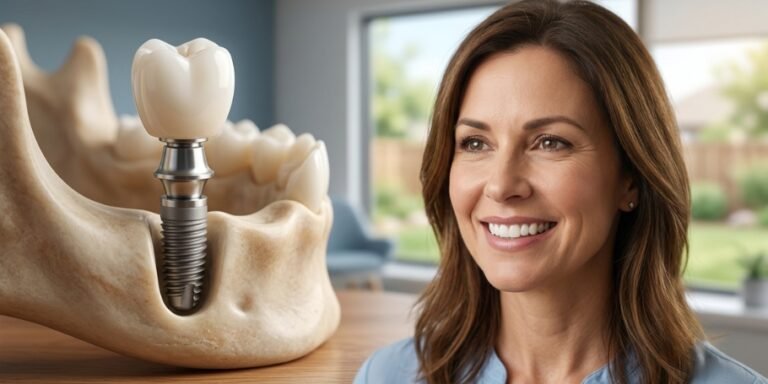
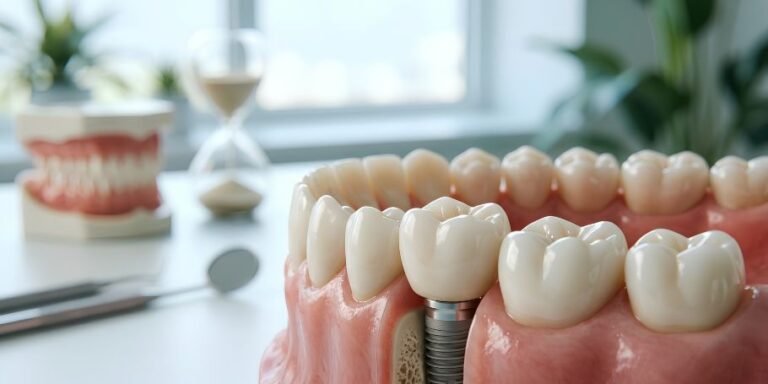
Bone grafting for dental implants helps rebuild weakened areas of the jawbone so that an implant can be placed securely. The procedure improves bone support and allows many patients who previously could not receive implants to become suitable candidates.
Understanding why bone loss occurs, when grafting is needed, and what the procedure involves can help patients make informed decisions about replacing missing teeth.
What Is Bone Grafting for Dental Implants?
Bone grafting is a procedure that restores areas where the jawbone has lost volume or density. During the treatment, graft material is placed in areas with insufficient bone to encourage new bone formation and improve structural support.
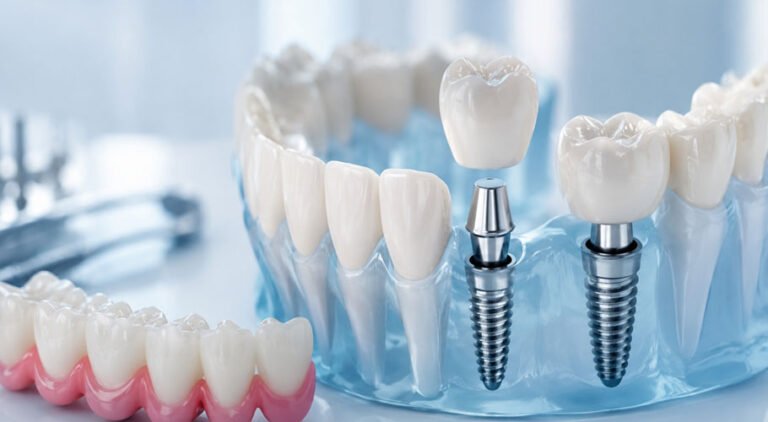
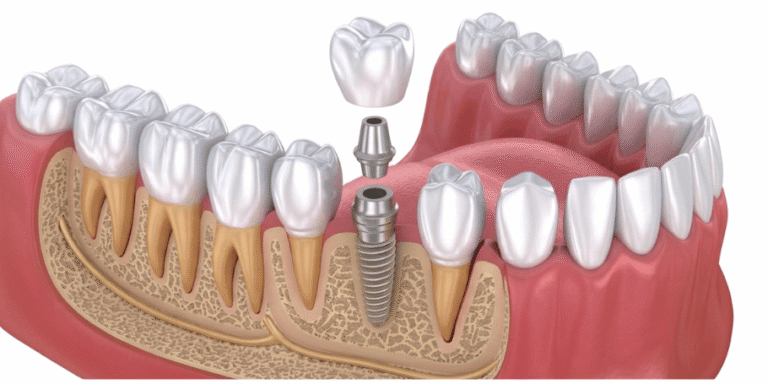
A dental implant requires a stable foundation because the implant post needs to fuse with the surrounding bone. When there is not enough healthy bone available, grafting may be recommended before implant placement.
Your dentist will evaluate your jawbone condition using dental imaging, such as X-rays or 3D scans, to determine whether additional bone support is required.
Why Is Bone Grafting Needed Before Dental Implants?
After losing a tooth, the jawbone in that area may gradually deteriorate because it no longer receives the natural stimulation provided by the tooth root. Over time, this reduction in bone volume can make it challenging to achieve proper support and stability for an implant.
Bone grafting may be recommended for patients experiencing the following:
- Long-term missing teeth.
- Bone loss caused by gum disease.
- Previous dental infections.
- Trauma or injury affecting the jaw.
- Bone shrinkage after tooth extraction.
- Naturally insufficient jawbone structure.
When the jawbone does not have enough density or volume, proceeding with dental implant treatment may require additional preparation. A bone grafting procedure helps rebuild the weakened area, restore bone support, and create a stronger foundation for successful implant placement.
How Does Tooth Loss Affect Jawbone Health?
The roots of natural teeth play an important role in stimulating the jawbone and maintaining its strength. When a tooth is lost, the lack of this stimulation can cause the body to gradually reduce bone tissue in that area, leading to changes in jaw structure over time.
Jawbone loss may contribute to several oral health concerns, including:
- Difficulty supporting dental implants.
- Changes in facial appearance.
- Reduced chewing efficiency.
- Shifting of surrounding teeth.
- Changes in bite alignment.
Seeking timely tooth replacement can help restore oral function, support proper chewing, and reduce the risk of further jawbone deterioration. Replacing missing teeth early may also help maintain the foundation needed for long-term dental health.
Who Needs Bone Grafting Before Dental Implants?
Not every patient requires bone grafting before receiving implants. A detailed dental examination helps determine whether your jawbone has enough volume and density to support an implant.
Your dentist may recommend grafting if you have:
- Insufficient jawbone thickness.
- Low bone density.
- Significant bone loss after tooth removal.
- Gum disease-related bone damage.
- Previous infection affecting the implant site.
Patients with healthy bone structure may be able to proceed directly with implant placement without additional procedures.
Types of Bone Grafting Procedures
The recommended grafting method depends on the location and severity of bone loss.
1. Socket Preservation
Socket preservation is performed after tooth extraction to protect the shape and volume of the extraction area.
Benefits include:
- Reduces bone loss after extraction.
- Maintains the shape of the jawbone.
- Prepares the area for future implant placement.
2. Ridge Augmentation
Ridge augmentation rebuilds areas where the jawbone has become too narrow or uneven. This increases bone width and creates better support for an implant.
3. Sinus Lift
A sinus lift may be required when there is insufficient bone height in the upper back jaw. During this procedure, the sinus membrane is gently lifted, and graft material is placed to increase available bone support.
4. Bone Expansion
Bone expansion techniques widen narrow areas of the jawbone to create enough space for implant placement.
What Materials Are Used for Bone Grafting?
Different graft materials can be used depending on the patient’s needs and treatment goals.
Autograft
An autograft uses bone taken from another area of the patient’s body. It contains natural bone-forming properties that support regeneration.
Allograft
An allograft uses processed bone material from a human donor source and is designed to support new bone growth.
Xenograft
A xenograft uses bone material from an animal source and works as a framework for new bone formation.
Synthetic Bone Graft
Synthetic graft materials are specially developed alternatives that support bone regeneration.
Your dentist will recommend the most suitable material based on your oral health and the amount of bone restoration required.
The Bone Grafting Procedure: Step-by-Step Process
The process involves careful planning and monitoring to ensure proper healing.
Initial Consultation
The procedure begins with a detailed examination of your teeth, gums, and jawbone. Your dentist may use:
- Digital X-rays.
- 3D imaging.
- Dental scans.
- Oral examination.
These evaluations help determine the extent of bone loss and create a customized treatment plan.
Preparation of the Treatment Area
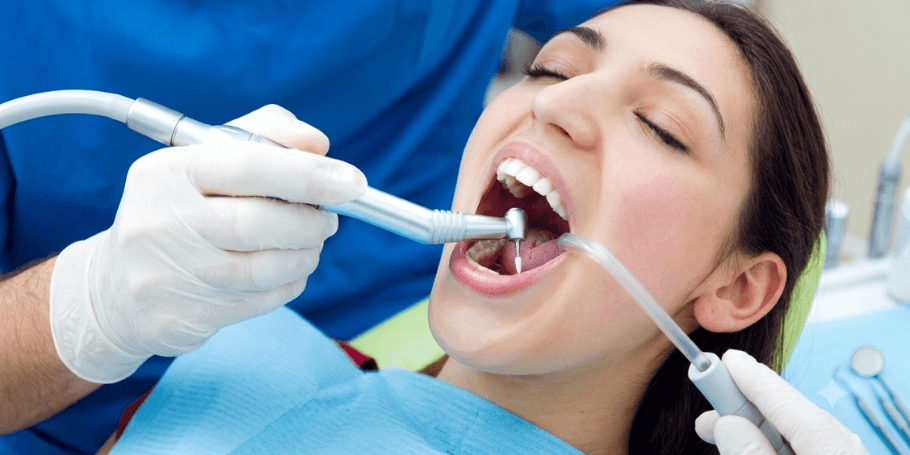
Before the procedure begins, the treatment area is cleaned and prepared. Local anesthesia is used to ensure patient comfort.
Placement of Bone Graft Material
The dentist places the selected graft material in the area where additional bone support is required. A protective membrane may be used to support healing.
Healing Period
After placement, the graft material gradually integrates with the existing jawbone. The healing period varies depending on the amount of bone regeneration required.
Once sufficient bone develops, the patient can proceed with dental implant placement.
How Long Does Bone Grafting Take to Heal?
Healing time depends on several factors, including:
- Amount of bone added.
- Location of the graft.
- Patient’s overall health.
- Healing ability.
- Oral hygiene practices.
In many cases, the jawbone requires several months to develop enough strength before implant placement. Regular follow-up appointments allow your dentist to monitor healing progress.
Benefits of Bone Grafting for Dental Implants
Bone grafting provides several benefits for patients who need additional support before implant treatment.
Major advantages include the following:
- Creates a stronger foundation for implants.
- Improves implant stability.
- Helps restore lost jawbone structure.
- Increases eligibility for implant treatment.
- Supports better long-term results.
- Helps improve the appearance of the smile.
For patients with bone loss, grafting can make implant treatment possible and provide a pathway toward effective tooth replacement.
Recovery After Bone Grafting
Recovery after bone grafting is usually manageable when proper care instructions are followed.
Helpful recovery tips include:
- Follow your dentist’s instructions carefully.
- Avoid pressure on the treated area.
- Maintain gentle brushing and oral hygiene.
- Take prescribed medications as directed.
- Avoid smoking during healing.
- Attend scheduled follow-up visits.
Good aftercare supports proper bone regeneration and reduces the chances of complications.
Can Dental Implants Be Placed Without Bone Grafting?
Some patients have enough natural jawbone to support implants without additional procedures. However, patients with significant bone loss may require grafting before implant placement.
Advanced dental imaging helps determine the condition of the jawbone and allows your dentist to recommend the safest treatment approach.
In certain cases, alternative implant techniques may be considered depending on individual requirements.
Frequently Asked Questions
1. Is bone grafting required for every dental implant?
No. Bone grafting is only recommended when there is insufficient jawbone support for implant placement. Your dentist will evaluate your bone condition before suggesting the procedure.
2. Is bone grafting painful?
The procedure is performed under anesthesia to minimize discomfort. Mild swelling or soreness may occur after treatment but usually improves during recovery.
3. How long after bone grafting can implants be placed?
The timeline depends on how quickly the graft integrates with the jawbone. Many patients require several months of healing before receiving implants.
4. What happens if I do not have enough bone for an implant?
Without adequate bone support, an implant may not remain stable. Bone grafting helps rebuild the area and improves the foundation for implant placement.
5. How successful is bone grafting for dental implants?
When properly planned and maintained with good oral care, bone grafting can provide predictable results and improve the success of implant treatment.
Bone loss does not always mean that dental implants are impossible. Bone grafting for dental implants can rebuild weakened jawbone areas and create the support needed for stable and long-lasting tooth replacement.
Every patient’s situation is unique, and the recommended treatment depends on factors such as bone condition, oral health, and implant goals. Consulting an experienced family dentistry in Burleson, TX, can help you understand whether bone grafting is necessary and guide you toward the right solution for restoring your smile.