info@burlesonfamilydental.com
 (817) 547 0597
What Is the Role of Implants in Replacing Missing Teeth?
Quick Answer
A dental implant is a small titanium post placed into the jawbone to act as an artificial tooth root. It supports a crown, bridge, or denture; replaces missing teeth permanently; protects the jawbone; and restores natural chewing and speaking.
When people think about tooth loss, they usually focus on the gap in their smile. What often goes unnoticed is what happens beneath the gum line, where the jawbone slowly begins to shrink once a root is no longer present. Replacing the missing tooth with an implant addresses both the visible gap and the hidden changes underneath.
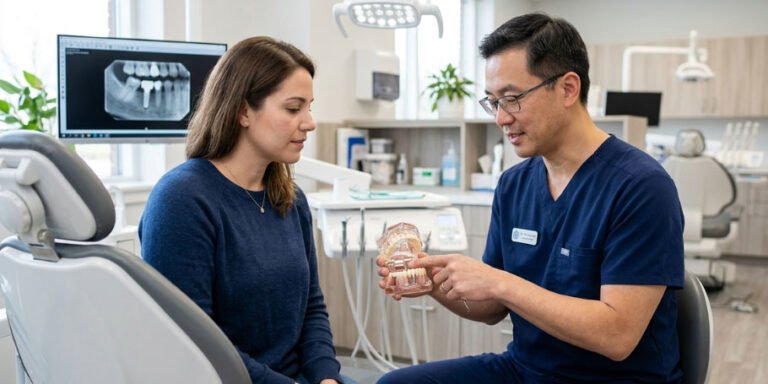
Many patients in Burleson hesitate to replace a missing tooth because they are unsure what treatment involves. This guide explains the role of implants in simple terms, so you can approach a consultation with confidence.
Understanding How Implants Work
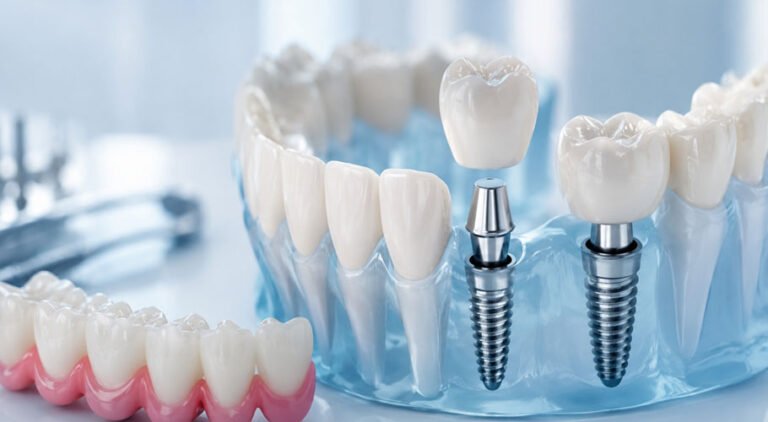
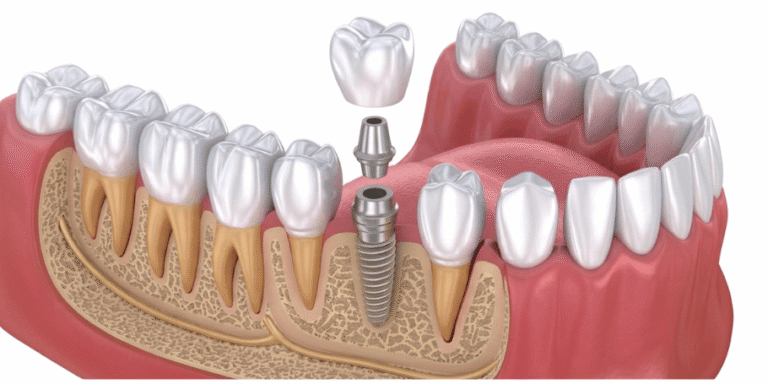
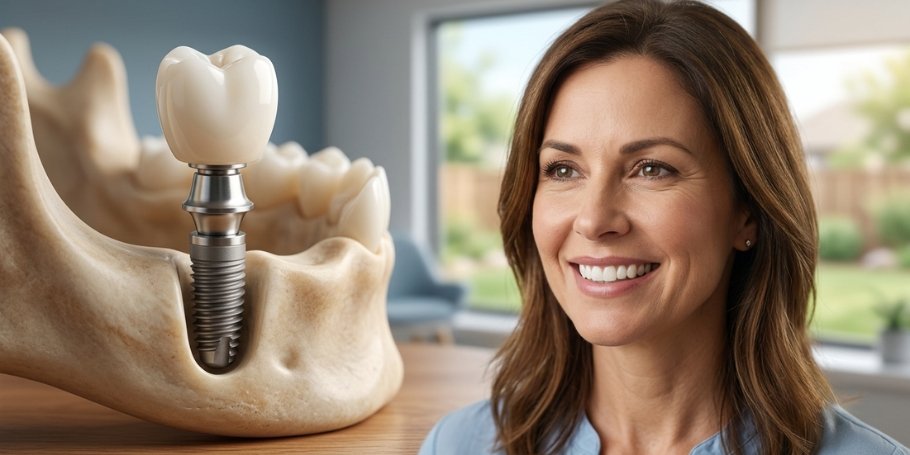
Implants are built in three connected parts, and each one has a clear job to do. The post is placed in the jawbone and fuses with it over time. The abutment connects the post to the crown. The crown is the visible tooth, made to match the color and shape of your natural teeth. Together, they work like a natural tooth from root to tip.
The titanium used in the post is well tolerated by the body, which is one reason implants have become a trusted option in modern restorative dentistry. The crown can be designed to blend with surrounding teeth, so most people cannot tell which tooth was replaced.
Who Is a Good Candidate for Implants
Most healthy adults with missing teeth can be considered, provided a few conditions are met.
Key Factors Dentists Check
- Healthy gums free from active infection or gum disease
- Enough jawbone density to hold the post securely
- Good overall health that supports normal healing
- A commitment to daily oral hygiene and regular checkups
Patients with bone loss are not automatically ruled out, since procedures such as bone grafting can often rebuild the support needed. A clinical examination with imaging is the only reliable way to know.
The Implant Treatment Process Step by Step
Treatment is planned in stages so the body has time to heal properly.
- Consultation and imaging: The dentist reviews your oral health, takes digital scans and plans the position of each post.
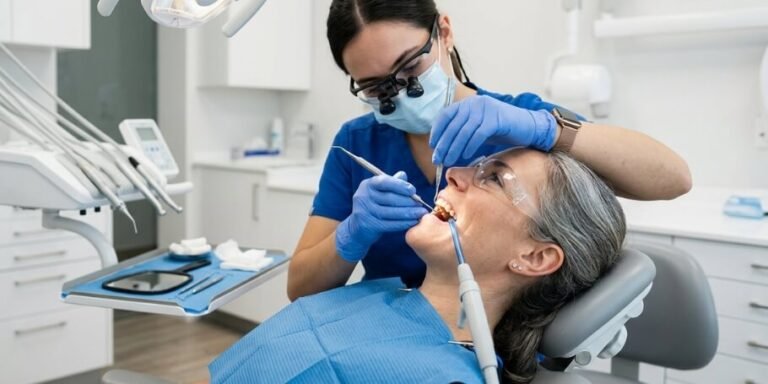
- Implant placement: The post is placed in the jawbone under local anesthesia so you stay comfortable.
- Healing period: Over several months, the jawbone fuses with the post in a process called osseointegration.
- Abutment and crown: Once the post is stable, the abutment and custom crown are attached.
What to Expect During Recovery
Most patients return to normal routines within a few days after placement. Mild swelling, tenderness or slight bleeding is common and usually settles quickly. Soft foods, cold compresses and the care instructions you receive make the first week easier. Complete healing of the bone takes longer, so follow up visits are scheduled to confirm the post is fusing well. Most patients are also advised to avoid hard or sticky foods early on and to keep the area clean with gentle rinsing as directed.
Key Benefits of Choosing Implants
- Permanent, stable replacement that does not slip or shift
- Preserves jawbone and facial structure
- Protects neighboring teeth, which need no reshaping
- Natural look and feel
- Easy to clean and care for like natural teeth
A tooth implant also removes the daily worries linked with removable options. There is no adhesive, no clicking and no need to avoid certain foods. Because the post becomes part of the jaw, patients often say the replacement tooth feels like their own.
Implants vs Other Tooth Replacement Options
| Factor | Implants | Bridges | Dentures |
|---|---|---|---|
| Jawbone Support | Stimulates bone | None under the gap | Limited |
| Neighboring Teeth | Left untouched | Reshaped for support | Clasps may press on them |
| Stability | Fixed in the jaw | Fixed to teeth | Removable |
| Lifespan | Many years with care | Moderate | Needs periodic relining |
Each option has its place, but implants are the only one that replaces both the crown and the root of a tooth.
Why Replacing a Missing Tooth Early Matters
Waiting too long can make treatment more complex. Common effects of an untreated gap include:
- Neighboring teeth drifting into the empty space
- Bite changes that strain the jaw joint
- Gradual bone loss that alters facial shape
- Difficulty chewing a balanced diet
Acting early often keeps treatment simpler and results more natural.
Why Careful Planning Matters
Some people assume an implant is a quick procedure that needs little preparation. In reality, success depends on accurate planning. Poorly placed posts can lead to discomfort, gum irritation or a loose restoration. This is why an experienced dental team reviews bone levels, bite alignment and gum health before treatment begins, rather than following a standard template for every patient.
Caring for Your Implants After Treatment
Implants cannot decay, but the gums around them still need attention.
- Brush twice daily and floss or use interdental brushes every day
- Attend regular checkups and professional cleanings
- Avoid chewing ice, hard candy or using teeth as tools
- Avoid smoking, which slows healing and raises the risk of failure
Choosing the Right Dental Team
Since implants are a long term commitment to your oral health, the experience of the dental team matters. Ask how treatment is planned, what imaging is used and how follow up care is handled. A practice that explains each step clearly and answers questions patiently will help you feel at ease from the first visit to the final crown.
Frequently Asked Questions
1. Is the implant procedure painful?
Local anesthesia keeps placement comfortable, and most patients describe only mild soreness afterward that settles within a few days.
2. How long does the whole process take?
It varies from patient to patient, but most cases take several months because the jawbone needs time to fuse with the post.
3. Can implants fail?
Failure is uncommon, but poor hygiene, smoking, or untreated gum disease can raise the risk. Regular checkups help catch problems early.
3. Can I get an implant if I have lost a lot of bone?
Often yes. Bone grafting can rebuild support, though a detailed examination is needed to confirm.
4. Will my implant look natural?
Yes. The crown is custom-made to match the colour, shape and size of your surrounding teeth.
5. How long do implants last?
With good care the post can last many years, while the crown may eventually need replacing due to normal wear.
Missing teeth do not have to mean living with discomfort or hiding your smile. A teeth implant restores function, protects the jawbone and gives you a replacement that looks and feels natural. With careful planning, skilled placement and good aftercare, the results can serve you well for many years.
Searching for a dental implant near me that feels welcoming and clearly explained? Connect with Burleson Family Dental and Orthodontics in Burleson, TX, and book a consultation to learn which option suits your smile.