info@burlesonfamilydental.com
 (817) 547 0597
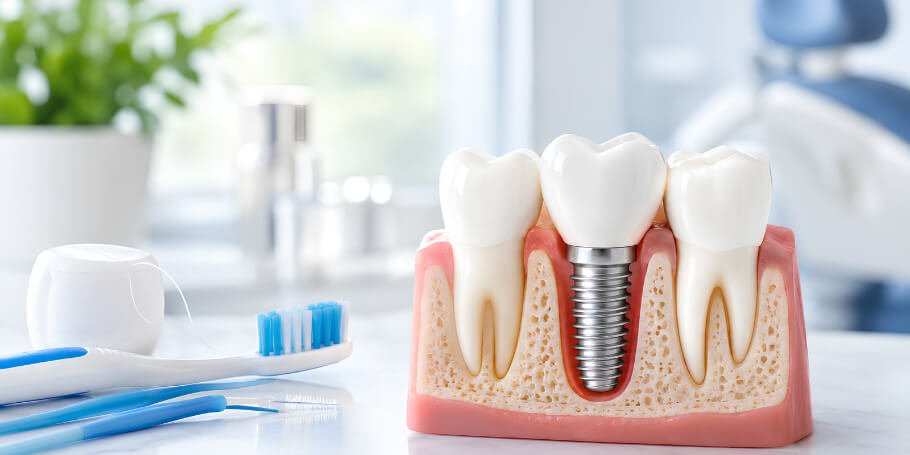
How to Care for Dental Implants for a Healthy, Lasting Smile
Quick Answer
Good long-term dental implant care involves more than simply brushing and flossing every day. Dental implants are designed to provide a stable replacement for missing teeth, but they still require consistent oral hygiene and professional dental checkups. Brushing twice daily, cleaning between the teeth and around the implant, avoiding damaging habits, and attending regular dental visits can help protect the implant and surrounding gums. With the right care and attention, dental implants can remain functional and comfortable for many years.
Key Points
- Dental implants require daily brushing and careful cleaning around the gumline.
- Flossing or using an appropriate interdental cleaner helps remove plaque around the implant.
- Regular dental visits allow the implant, gums, and surrounding teeth to be monitored.
- Smoking and poor oral hygiene can increase the risk of complications.
- Avoiding very hard foods and damaging habits can help protect the restoration.
- Signs such as bleeding, swelling, pain, or looseness should be evaluated promptly.
Why Dental Implant Care Matters
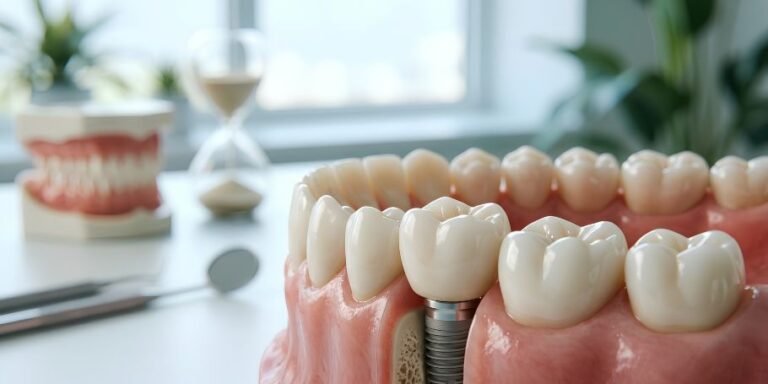
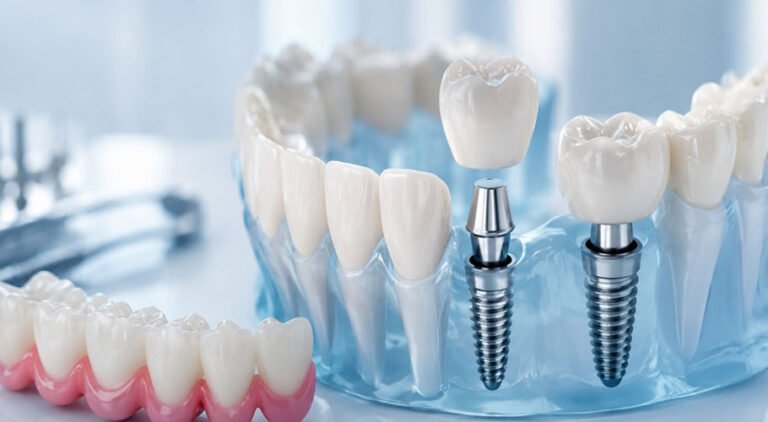
A dental implant replaces the root portion of a missing tooth and supports a restoration such as a crown, bridge, or denture. Unlike natural teeth, the implant itself cannot develop a cavity. However, the gum tissue and bone surrounding it can still be affected by plaque and inflammation.
Food particles and bacteria can collect around the gumline if the area is not cleaned properly. Over time, inflammation may affect the tissues supporting the implant. This is why maintaining good oral hygiene remains important even after the implant procedure has been completed.
Patients should also remember that an implant does not protect the rest of the mouth from dental problems. Natural teeth can still develop cavities, gum disease, or wear. Taking care of the entire mouth helps support the health and function of the implant.
What Happens After Dental Implant Placement?
Dental implant care begins immediately after placement. The gum and bone need time to heal, and patients are usually given specific instructions based on their individual procedure.
During the early healing period, you may be advised to:
- Follow all post-treatment instructions carefully
- Keep the surgical area clean as directed
- Choose softer foods while the area heals
- Avoid smoking or tobacco products
- Avoid putting unnecessary pressure on the implant
- Take prescribed medications as instructed
- Attend follow-up appointments
Healing time can vary depending on the number of implants placed, the condition of the bone, the patient’s oral health, and whether additional procedures were required.
Once healing is complete and the final restoration is placed, daily care becomes an important part of maintaining the result.
How to Clean Around a Dental Implant
Cleaning around an implant is similar to maintaining natural teeth, but patients may need additional tools depending on the location and type of restoration.
Brush Twice a Day
Use a soft-bristled toothbrush and fluoride toothpaste to clean the teeth, gumline, and accessible areas around the implant. Avoid aggressive brushing, which can irritate the gums.
Clean Between Teeth
Floss or use an interdental brush to clean between the implant and neighboring teeth. Your dental provider can recommend the most suitable method for your restoration.
Consider Specialized Cleaning Tools
Some patients may benefit from water flossers or other interdental cleaning devices. The right tool depends on the implant location and the type of restoration being used.
Follow Professional Recommendations
Not every patient has the same cleaning requirements. A dental professional can demonstrate how to clean around the implant without damaging the surrounding tissues.
Dental Implant Treatment and Recovery
The overall dental implant treatment process can involve several stages. Depending on the patient’s situation, treatment may include an initial examination, implant placement, a healing period, and placement of the final restoration.
Before treatment begins, the dental provider evaluates the health of the teeth and gums and checks whether there is enough healthy bone to support the implant. Imaging may be used to examine the jaw and plan the procedure.
After placement, the implant needs time to integrate with the surrounding bone. Once the area has healed sufficiently, the final crown, bridge, or denture can be attached.
Because every patient is different, the exact treatment timeline varies. Following the recommended schedule and attending follow-up appointments can help the dental team monitor healing and address concerns early.
Habits That Can Protect Your Implant
Everyday habits can influence the health of your implant and surrounding tissues.
Patients should avoid:
- Smoking and tobacco use
- Biting on pens, fingernails, or other hard objects
- Opening packages with the teeth
- Frequently chewing extremely hard foods
- Ignoring bleeding or swelling around the implant
- Skipping routine dental appointments
A balanced diet and good general oral hygiene can also support healthy gums and teeth.
If you grind or clench your teeth, tell your dental provider. Excessive pressure may affect the implant restoration and surrounding structures. A protective nightguard may be recommended when appropriate.
Warning Signs You Should Not Ignore
Dental implants should not be painful or increasingly uncomfortable once the area has healed. Certain changes can indicate that the implant or surrounding tissues need professional attention.
Contact your dental provider if you notice:
- Persistent or increasing pain
- Swollen or tender gums
- Bleeding around the implant
- Pus or unusual discharge
- Persistent bad taste or odor
- Difficulty chewing
- A loose crown or restoration
- Movement or looseness around the implant
- Changes in the way your bite feels
These symptoms do not always mean the implant has failed. However, early evaluation can help identify the cause and determine whether treatment is necessary.
Regular Dental Visits Still Matter
Having a dental implant does not mean you can stop routine dental appointments. Professional examinations allow the dentist to check the implant, restoration, gums, bite, and surrounding teeth.
During these visits, the dental team can also remove plaque or buildup from areas that may be difficult to clean at home. If any changes are detected, they can be addressed before they become more serious.
The frequency of visits depends on your oral health, implant history, and individual needs. Your dentist can recommend an appropriate schedule.
Frequently Asked Questions
1. How long can dental implants last?
Dental implants are designed to be a long-term tooth replacement option. Their lifespan can vary depending on oral hygiene, gum health, lifestyle habits, overall health, and regular professional care.
2. Can dental implants get cavities?
The implant itself cannot develop a cavity because it is not a natural tooth. However, the crown or restoration can become damaged, and the natural teeth around the implant can still develop decay.
3. How often should I clean my dental implants?
Brush twice daily and clean between your teeth every day. Your dental provider can recommend additional cleaning methods based on your implant and restoration.
4. Can I eat normally with dental implants?
Once the implant and restoration have healed and your dentist confirms that they are ready for normal function, most patients can eat a wide variety of foods. Very hard foods should still be approached with caution.
5. Is bleeding around an implant normal?
Persistent bleeding is not something to ignore. It can be associated with inflammation or other problems around the implant, so it should be evaluated by a dental professional.
6. Do dental implants need special toothpaste?
Most patients can maintain their implants with regular fluoride toothpaste and a soft-bristled toothbrush. Your dentist can recommend specific products if your individual situation requires them.
Taking care of an implant is an ongoing commitment, but a consistent routine can help protect your smile and support the health of the surrounding gums and teeth. Good daily hygiene, regular dental examinations, and attention to warning signs are all important parts of maintaining your results.
If you are searching for a dental implant near me, Burleson Family Dental & Orthodontics can evaluate your oral health, discuss your tooth replacement options, and determine whether dental implants may be appropriate for your needs. A professional consultation is the best place to begin.