info@burlesonfamilydental.com
 (817) 547 0597
Dental Implants for Missing Teeth: Options, Process, Benefits & Care
Quick Answer
Replacing missing teeth can help restore comfortable eating, speaking, and smiling. Dental implants are one option for rebuilding a missing tooth or replacing several teeth with a stable restoration that is designed to function naturally.
- Dental implants can be used for one missing tooth or several missing teeth.
- Implant-supported restorations can provide stability without relying solely on removable appliances.
- Treatment begins with an evaluation of your teeth, gums, and jawbone.
- Healing time depends on the patient’s oral health and the complexity of treatment.
- Long-term implant care includes good oral hygiene and regular dental visits.
A missing tooth can change the way you chew and may cause you to favor one side of your mouth while eating. It can also leave surrounding teeth without their normal contact and support. For some patients, the longer a tooth remains missing, the more challenging it can become to restore the area.
Dental implant treatment offers a way to replace a missing tooth from the root upward. Instead of simply filling the visible gap, an implant is positioned in the jaw to provide support for a replacement tooth. The final restoration can be customized to blend with the surrounding smile.
The right approach depends on how many teeth are missing, the condition of your gums and jawbone, and your overall dental needs. A dental examination can help determine which implant restoration may be appropriate.
What Makes an Implant Different?
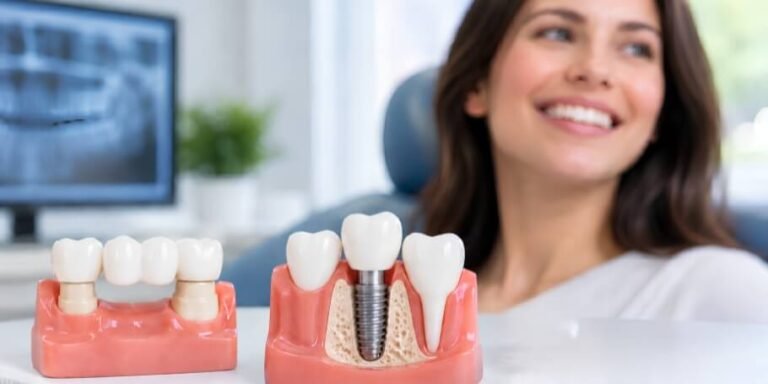
Traditional tooth replacement methods mainly focus on replacing the visible portion of a missing tooth. Dental implants take a different approach by providing a foundation within the jaw.
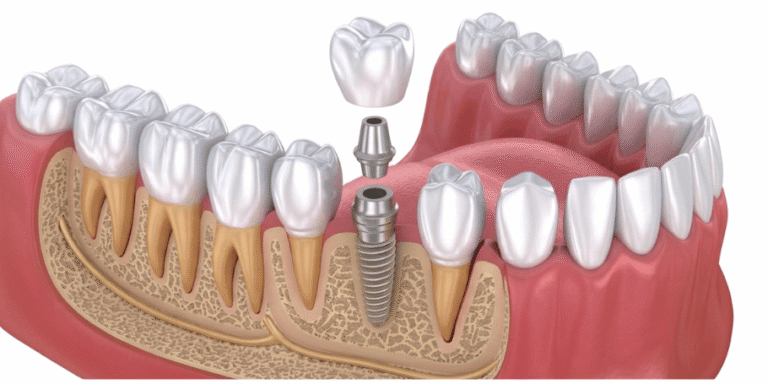
An implant restoration typically involves:
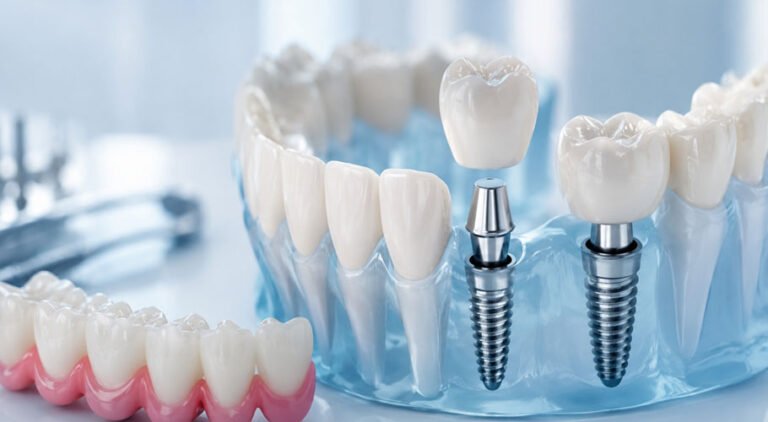
- Implant: A small post positioned within the jawbone.
- Connector: A component used to attach the implant to the restoration.
- Restoration: The visible replacement tooth, bridge, or other prosthetic structure.
Once healing occurs, the implant can provide a secure base for the restoration. This design allows the replacement tooth to remain fixed rather than being removed like a conventional removable denture.
Which Implant Option May Be Right for You?
There is no single implant solution for every patient. The number and location of missing teeth play an important role in selecting a treatment approach.
Single-Tooth Replacement
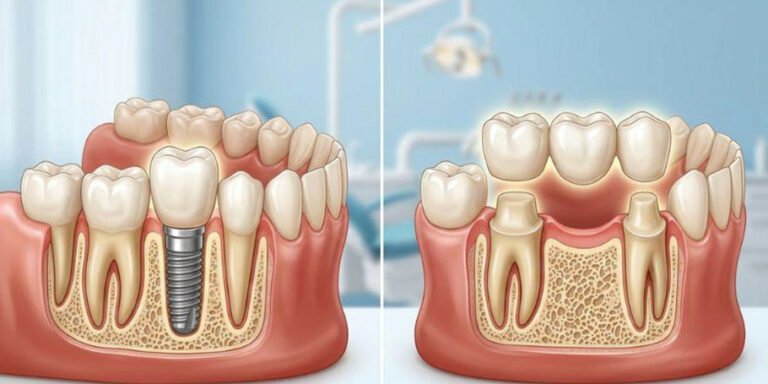
If only one tooth is missing, an individual implant and crown may be considered. This approach can replace the missing tooth while avoiding the need to use adjacent healthy teeth as anchors for a traditional bridge.
It may be useful for patients who want to:
- Fill a visible gap.
- Restore normal chewing in the area.
- Maintain a more complete smile.
- Replace a tooth without removing a removable appliance.
Implant-Supported Bridges
When several neighboring teeth are missing, an implant-supported bridge may be an option. Instead of placing an implant beneath every missing tooth, strategically positioned implants can provide support for a bridge.
This can create a fixed restoration while reducing the number of implants needed compared with replacing every missing tooth individually.
Implant-Supported Dentures
Patients who have lost several or many teeth may also consider dentures supported by implants. Unlike conventional dentures that rest primarily on the gums, implant-supported dentures receive additional support from dental implants.
This may help address concerns such as movement or instability while eating and speaking.
Full-Mouth Restoration
For people with extensive tooth loss or severely compromised teeth, a full-mouth implant restoration may be considered. The treatment involves careful planning to replace the teeth in an entire arch or both arches.
A full-mouth implant approach is not simply about replacing individual teeth. It requires consideration of the patient’s bite, facial appearance, gum health, available bone, and the design of the final restoration.
What Happens Before Implant Placement?
The planning stage is an important part of implant care. Before recommending treatment, your dentist needs to understand the condition of the mouth and the factors that could influence the outcome.
Your evaluation may include:
- Examination of your teeth and gums.
- Assessment of your bite.
- Dental imaging.
- Evaluation of the jawbone.
- Review of your dental history.
- Discussion of your expectations and treatment goals.
This information helps your dental team determine whether an implant is appropriate and which restoration may provide the best fit.
The Dental Implant Process
Although treatment varies from person to person, implant care generally follows a planned sequence.
Treatment Planning
Your dentist first develops an individualized plan based on the location of the missing tooth or teeth and the condition of your mouth. The position of the future restoration is considered when planning implant placement.
Implant Placement
The implant is positioned in the jawbone at the planned location. The treatment area is then allowed to heal.
Integration and Healing
During healing, the implant gradually becomes integrated with the surrounding bone. This provides the foundation needed to support the final restoration.
The length of this stage can vary depending on factors such as bone condition, the number of implants, and the type of restoration being planned.
Attaching the Restoration
After adequate healing, the final restoration is connected to the implant. The replacement tooth or teeth are designed with appearance and function in mind.
What Are the Benefits of Implant-Supported Teeth?
Implant treatment can offer benefits beyond simply filling an empty space.
Potential advantages include:
- Improved chewing function.
- Greater stability than traditional removable options.
- A more complete-looking smile.
- Support for natural-looking tooth replacement.
- Improved confidence when smiling or speaking.
- A fixed option for appropriate candidates.
The benefits can differ depending on whether you need a single implant, an implant-supported bridge, or a more extensive restoration.
How Should You Care for Your Implants?
An implant does not mean that you can stop taking care of your mouth. Healthy gums and surrounding tissues remain important to the success of your restoration.
A good daily routine includes:
- Brushing twice a day.
- Cleaning between teeth as recommended.
- Paying attention to the gumline around the restoration.
- Keeping regular dental appointments.
- Following professional cleaning recommendations.
- Avoiding habits that could damage your teeth or restoration.
Your dentist may recommend specific cleaning tools depending on the type and location of your implant restoration.
Are Implants Suitable for Everyone?
Dental implants can be an option for many adults, but suitability cannot be determined simply by the presence of missing teeth.
Your dentist will consider factors such as:
- Jawbone condition.
- Gum health.
- Number of missing teeth.
- Existing dental conditions.
- Oral hygiene.
- Ability to maintain regular dental care.
If additional treatment is needed before implant placement, your dentist can explain the available options and how they fit into the overall treatment plan.
Dental Implants vs. Traditional Dentures
Both implants and dentures can be used to replace missing teeth, but they work differently.
Dental Implants
- Fixed into the jaw.
- Can support individual teeth, bridges, or other restorations.
- Designed to provide stability.
- Require surgical placement.
Traditional Dentures
- Removable.
- Can replace several missing teeth or an entire arch.
- Do not require implant surgery.
- May move during certain activities depending on fit and anatomy.
There is no universal choice that works best for everyone. A dental examination can help you compare the options based on your needs.
What Can You Expect During Recovery?
Some tenderness or swelling can occur after implant placement. Recovery depends on the number of implants placed and the type of procedure performed.
Your dentist may advise you to:
- Follow post-treatment instructions carefully.
- Choose appropriate foods while the area heals.
- Keep the treatment area clean as directed.
- Avoid unnecessary pressure on the healing site.
- Attend follow-up appointments.
Contact your dental office if you experience unexpected or persistent symptoms during recovery.
Frequently Asked Questions
1. How long does implant treatment take?
Treatment can take several months because the implant generally needs time to heal and integrate with the jawbone before the final restoration is placed. Your individual timeline will depend on your treatment plan.
2. Can implants replace more than one missing tooth?
Yes. Depending on the location and number of missing teeth, implants may support individual restorations or an implant-supported bridge.
3. Do dental implants look natural?
The final restoration can be customized in shape, size, and appearance to complement your existing teeth. Your dentist will consider your smile and surrounding teeth when planning the restoration.
4. Can implants support dentures?
Yes. Implant-supported dentures use strategically placed implants to provide additional support for a removable or fixed restoration, depending on the treatment plan.
5. What happens if I have significant bone loss?
Bone availability is evaluated during the planning stage. If there is not enough supporting bone for the planned treatment, your dentist can discuss whether additional procedures may be appropriate before implant placement.
Replacing missing teeth is about more than improving the appearance of your smile. The right restoration can help you eat more comfortably, speak with confidence, and restore function that may have been affected by tooth loss. Depending on the situation, treatment may involve a single implant, an implant-supported bridge, dentures supported by implants, or a comprehensive restoration.
If several teeth are missing, a multiple dental implant solution may provide a stable foundation for restoring your smile. The best approach will depend on your oral health, bone condition, number of missing teeth, and personal goals.
If you are looking for family dentistry in Burleson, TX, Burleson Family Dental offers dental implants alongside comprehensive family dental and orthodontic care, allowing patients to address different stages of their oral health in one practice.