info@burlesonfamilydental.com
 (817) 547 0597
Dental Implants in Burleson, TX: Your Complete Guide to Cost, Procedure, and Recovery
If you’re missing one or more teeth and searching for a permanent, natural-looking replacement, a dental implant is what you need for a more confident smile, better bites, and a perfect jawline.
What Exactly Is a Dental Implant?
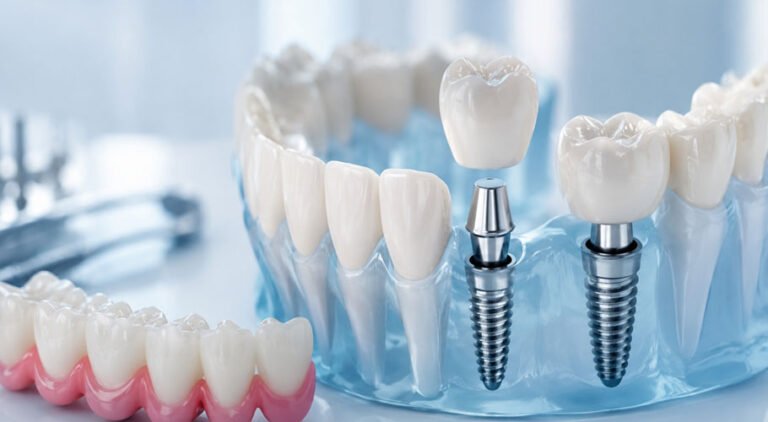
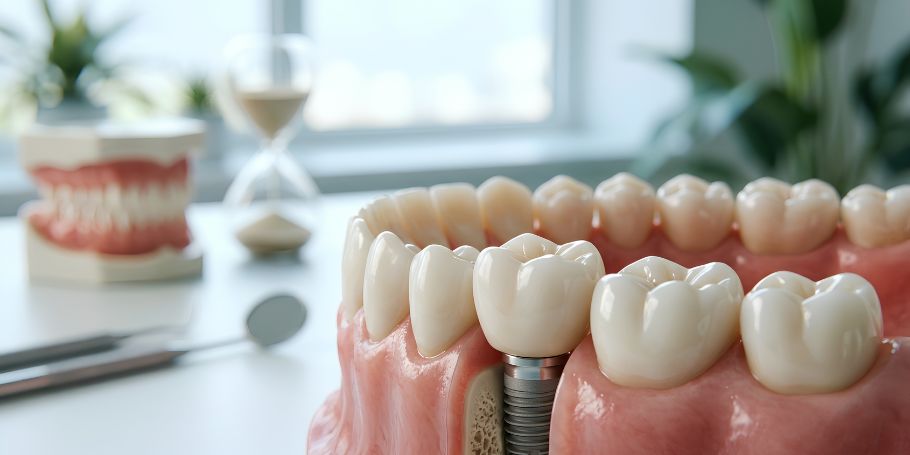
A dental implant is a small titanium or zirconia post that’s surgically placed into the jawbone, acting as an artificial tooth root. Once it fuses with the bone through a process called osseointegration, an abutment and custom-made crown are attached on top – creating a replacement tooth that looks, feels, and functions like your natural one. Unlike bridges or dentures, implants don’t rely on surrounding teeth for support and don’t need to be removed for cleaning.
How Much Do Dental Implants Cost in Burleson, TX?
Factors that influence your final cost include the number of teeth being replaced, whether you need a bone graft or sinus lift beforehand, the materials used, and your specific insurance coverage. Many Burleson dental offices offer financing plans through CareCredit or in-house payment options to make treatment more manageable.
Does Insurance Cover Dental Implants?
Traditional dental insurance often classifies implants as a “cosmetic” or elective procedure, meaning coverage is limited or excluded entirely. However, many plans will partially cover related components – like the crown, extraction, or bone grafting – even if they don’t cover the implant post itself. It’s worth calling your provider directly to run a benefits check before you commit, since coverage details vary by plan.
Am I a Good Candidate for Dental Implants?
Most healthy adults with sufficient jawbone density are good candidates. You may be an especially strong candidate if you:
- Are missing one or more teeth due to decay, injury, or gum disease
- Have healthy gums with no active periodontal disease
- Have adequate bone density to support the implant (or are open to a bone graft)
- Don’t smoke, or are willing to quit during healing
- Have well-managed chronic conditions like diabetes
Patients with significant bone loss, uncontrolled diabetes, or certain autoimmune conditions may need additional evaluation, but this doesn’t automatically disqualify you – a consultation with X-rays or a 3D scan will confirm feasibility.
What Does the Dental Implant Procedure Involve?
The process happens in stages, typically spread across several months to allow proper healing:
- Consultation & Imaging – A 3D CT scan maps your jawbone, nerve positioning, and sinus location to plan precise implant placement.
- Tooth Extraction (if needed) – Any remaining damaged tooth structure is removed, sometimes with immediate implant placement the same day.
- Bone Grafting (if needed) – If your jawbone lacks sufficient density, a graft is placed and given 3-4 months to integrate before implant surgery.
- Implant Placement – The titanium post is surgically placed into the jawbone under local anesthesia or sedation.
- Osseointegration – Over 3-6 months, the bone fuses around the implant, creating a stable foundation.
- Abutment & Crown Placement – Once healed, a connector piece (abutment) and custom crown are attached, completing the restoration.
Is Getting a Dental Implant Painful?
Most patients report that the procedure itself is far less uncomfortable than they expected, since it’s performed under local anesthesia (with sedation options available for anxious patients). Post-surgical discomfort is generally mild to moderate – comparable to a tooth extraction – and manageable with over-the-counter or prescribed pain medication for 3-5 days. Swelling typically peaks within 48 hours and subsides within a week.
How Long Do Dental Implants Last?
With proper oral hygiene and regular dental checkups, the implant post itself can last a lifetime – it’s the only part of the restoration that fuses permanently with your bone. The crown on top typically lasts 15-20 years before it may need replacement due to normal wear. This makes implants significantly more durable than bridges (5-15 years) or dentures (5-10 years).
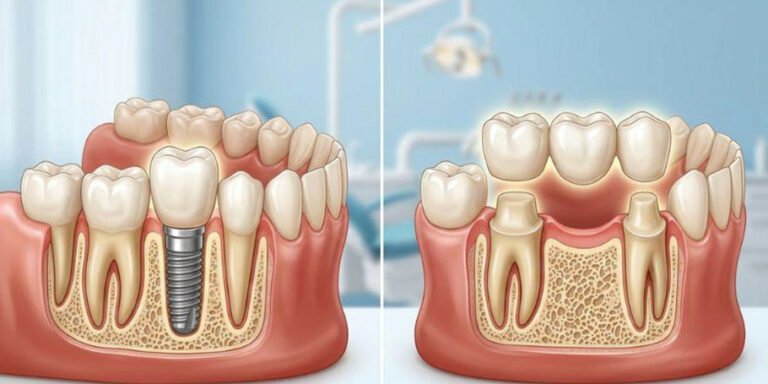
Dental Implants vs. Dentures vs. Bridges: Which Is Right for You?
Implants involve a higher upfront investment, but their durability and bone-preserving benefits often make them the more cost-effective option over a patient’s lifetime.
What’s Recovery Like After Getting Dental Implants?
Most patients return to normal activities within 2-3 days, though strenuous exercise should be avoided for about a week. A soft-food diet is recommended for the first 5-7 days, and good oral hygiene – including gentle brushing and salt-water rinses – is essential to prevent infection during healing. Full osseointegration (bone fusing to the implant) takes 3-6 months, though you won’t need to alter your routine significantly during this period.
Why Choose a Local Burleson, TX Dentist for Your Implant Treatment?
Choosing a provider close to home matters more than many patients realize. Implant treatment involves multiple appointments over several months – for imaging, placement, healing checks, and final restoration – so proximity reduces the burden of repeated travel. As a local practice, Burleson Family Dental and Orthodontics is familiar with insurance networks and payment plans common to the area, and can respond quickly if you experience any post-surgical concerns.
Ready to Explore Dental Implants in Burleson, TX?
If you’re missing one or more teeth, a consultation is the only way to get an accurate cost estimate and treatment timeline tailored to your mouth. Burleson Family Dental and Orthodontics offers comprehensive implant consultations for Burleson-area patients, including 3D imaging to determine candidacy and a clear breakdown of costs before you commit to treatment.