info@burlesonfamilydental.com
 (817) 547 0597
How to Build an Effective Preventive Dental Care Routine
Quick Answer
Most people should visit the dentist approximately every six months for a routine examination and cleaning. However, the ideal schedule depends on oral health, cavity risk, gum condition, age, medical history, and previous dental concerns. Some individuals may need more frequent appointments to maintain healthy teeth and gums.
- Routine visits help identify dental problems at an early stage.
- Professional cleanings remove buildup that brushing may not eliminate.
- Appointment frequency depends on individual oral health needs.
- Regular examinations can help prevent avoidable complications.
- Children, adults, and older adults may require different care schedules.
Introduction
Many people schedule a dental appointment only when they experience tooth pain, sensitivity, bleeding gums, or another noticeable concern. However, waiting for symptoms may allow a small issue to develop into a more complicated problem. Regular dental visits are designed to identify potential concerns early and support healthy habits before serious treatment becomes necessary.
Following a consistent preventive dental care routine can help protect teeth and gums throughout different stages of life. Dental examinations, professional cleanings, oral hygiene guidance, and timely treatment all contribute to maintaining a healthy smile. While six-month visits are often recommended, the right schedule should always be based on an individual’s dental condition and risk factors.
Why Are Routine Dental Visits Important?
A dental checkup is not limited to searching for cavities. It gives the dental team an opportunity to assess the overall condition of the mouth and identify changes that may not yet cause discomfort.
Routine visits may help detect:
- Early tooth decay
- Gum inflammation or periodontal concerns
- Worn fillings or damaged restorations
- Tooth sensitivity causes
- Plaque and tartar buildup
- Signs of enamel wear
- Changes in bite or tooth position
- Oral habits that may affect dental health
Early detection often allows problems to be managed with simpler procedures. It may also help reduce discomfort, treatment costs, and the risk of emergency dental visits.
Is Every Six Months the Right Schedule?
The six-month recommendation is a common guideline, but it is not a fixed rule for everyone. Some people maintain excellent oral health and may require less frequent monitoring, while others benefit from appointments every three to four months. Regular routine oral health checkups help dentists monitor changes over time and adjust the care schedule according to factors such as cavity risk, gum condition, age, and previous dental concerns.
Your dentist may recommend a different schedule if you have:
A History of Cavities
People who frequently develop cavities may need more regular examinations and fluoride guidance to reduce future decay.
Gum Disease
Those with gingivitis or periodontal disease may require closer monitoring and professional maintenance to control inflammation and protect supporting tissues.
Orthodontic Appliances
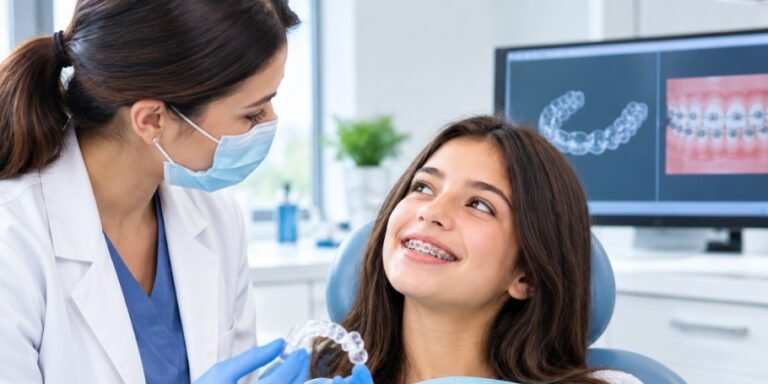
Braces, retainers, and other appliances can create additional areas where plaque collects. More frequent visits may help maintain oral hygiene during treatment.
Dry Mouth
Reduced saliva flow can increase the risk of cavities and irritation. Regular monitoring may be useful for individuals affected by dry mouth.
Certain Medical Conditions or Medications
Some health conditions and medications can influence gum health, saliva production, or the mouth’s ability to resist infection. The dentist may adjust the appointment schedule accordingly.
What Happens During a Routine Dental Appointment?
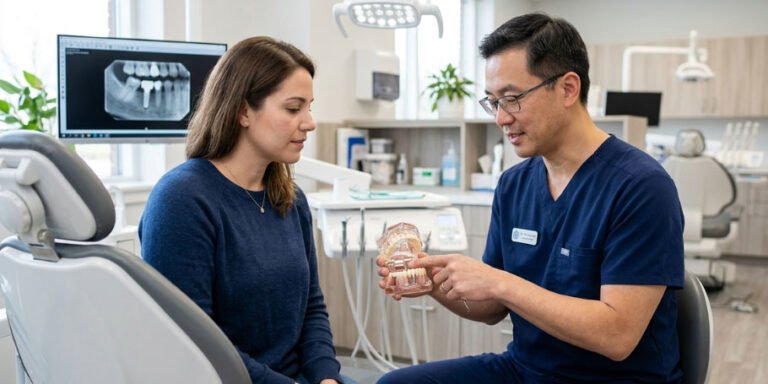
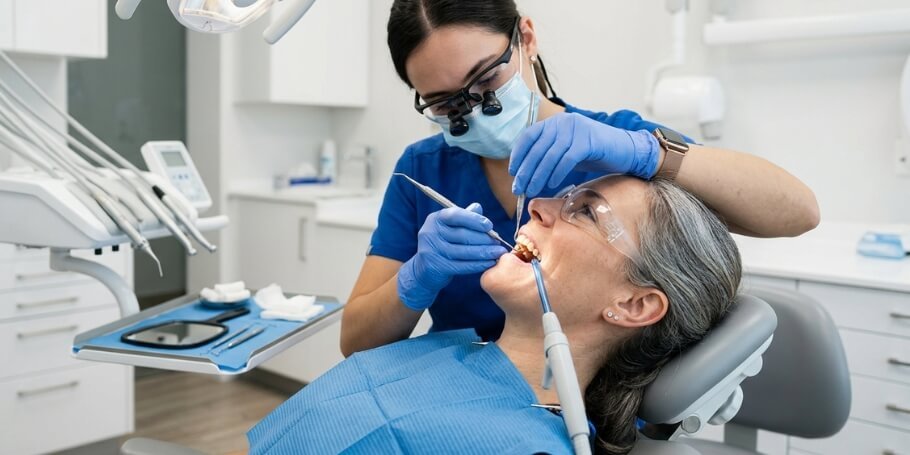
A standard dental visit usually includes more than a quick look at the teeth. The exact process depends on the patient’s age, oral health, and current concerns.
A routine appointment may involve:
Dental Examination
The dentist checks the teeth, gums, bite, existing restorations, and other oral structures for signs of concern.
Professional Cleaning
A hygienist or dental professional removes plaque and tartar buildup from areas that may be difficult to clean thoroughly at home.
Oral Hygiene Review
The dental team may recommend improvements to brushing, flossing, interdental cleaning, or other daily habits.
X-Rays When Necessary
Dental X-rays are not required at every visit. They may be recommended when the dentist needs to examine areas beneath the gumline, between teeth, or around existing restorations.
Treatment Recommendations
If an issue is identified, the dentist explains the findings and discusses the next steps before treatment is planned.
The Role of Professional Teeth Cleaning
Brushing and flossing are essential, but they may not remove all hardened deposits from the teeth. Over time, plaque can become tartar, which generally requires professional instruments for safe removal.
A professional teeth cleaning can help reduce buildup around the gumline and between teeth. It may also support fresher breath, healthier gums, and a cleaner oral environment.
Professional cleaning is particularly important for people who experience:
- Frequent plaque buildup
- Bleeding or swollen gums
- Crowded teeth
- Braces or dental appliances
- A history of gum disease
- Difficulty maintaining thorough home care
Cleaning frequency depends on the condition of the teeth and gums. Some individuals may only need routine cleanings twice a year, while others may require periodontal maintenance visits more often.
How Do Daily Habits Affect Your Dental Schedule?
The time between appointments does not replace daily oral hygiene. Brushing twice a day, flossing, and making balanced food choices remain essential for preventing dental problems.
Helpful habits include:
- Brush with fluoride toothpaste twice daily.
- Clean between teeth every day.
- Limit frequent sugary snacks and drinks.
- Drink water throughout the day.
- Avoid using teeth to open packages or bite hard objects.
- Replace toothbrushes when bristles become worn.
- Wear a mouthguard during contact sports.
- Address dental discomfort instead of ignoring it.
Strong home-care habits may reduce the likelihood of certain problems, but they do not eliminate the need for professional examinations.
Signs You May Need an Appointment Sooner
You should not wait for your next scheduled checkup if you notice changes in your mouth. Certain symptoms may require an earlier assessment.
Contact your dental office if you experience:
- Persistent toothache
- Bleeding or swollen gums
- Sudden sensitivity
- A loose or damaged filling
- Cracked or chipped teeth
- Persistent bad breath
- Pain while chewing
- A sore that does not heal
- Swelling around a tooth or gum
Some dental concerns develop without obvious symptoms, which is another reason routine visits remain important even when your mouth feels normal.
Why Preventive Care Matters at Every Age
Oral health needs change over time. Children may require monitoring of tooth eruption and brushing habits, while teenagers may need guidance related to orthodontics, diet, and sports injuries.
Adults often benefit from monitoring cavities, gum health, enamel wear, and existing restorations. Older adults may need additional attention to dry mouth, root decay, gum recession, dentures, and medication-related oral changes.
Regular care helps ensure that dental recommendations remain appropriate as these needs change.
Frequently Asked Questions
1. How often should most people visit the dentist?
Many people benefit from appointments every six months, although the ideal schedule depends on their oral health and risk factors.
2. Is a dental cleaning necessary if I brush and floss daily?
Yes. Daily cleaning helps control plaque, but professional care removes tartar and buildup that cannot usually be eliminated at home.
3. Can I skip a checkup if I have no pain?
It is not advisable to skip routine visits solely because you feel comfortable. Some cavities, gum problems, and oral changes may not cause symptoms during the early stages.
4. Who may need dental visits more frequently?
Individuals with gum disease, frequent cavities, orthodontic appliances, dry mouth, or other risk factors may need more frequent monitoring.
5. Are X-rays taken at every dental appointment?
No. X-rays are recommended when clinically necessary based on age, symptoms, dental history, and the dentist’s findings.
Preventive dental care is most effective when professional examinations are combined with consistent daily habits. Regular monitoring and professional cleaning help maintain healthy teeth and gums while allowing potential concerns to be addressed before they become more serious. Burleson Family Dental and Orthodontics offers personalised preventive dental care in Burleson, TX, to support ongoing oral health at every stage of life.