info@burlesonfamilydental.com
 (817) 547 0597
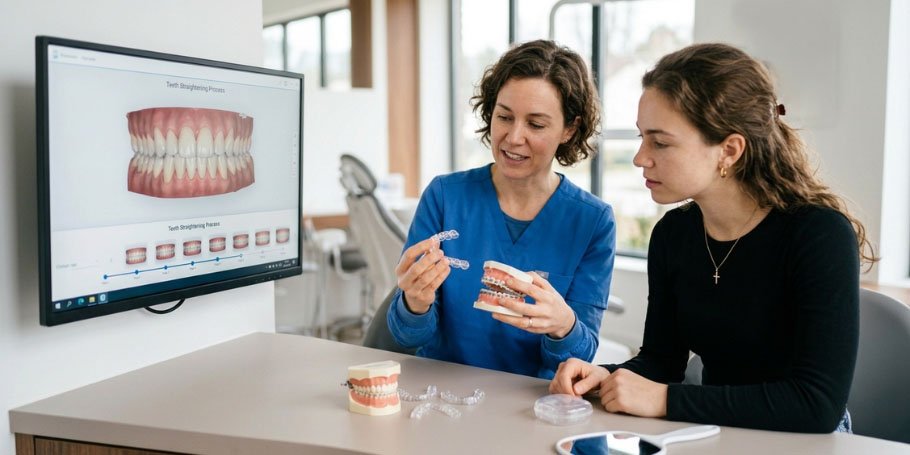
How to Choose the Right Approach for a Straighter Smile
Quick Answer
A straighter smile can support better chewing, easier cleaning, and improved dental appearance. The most suitable option depends on the position of your teeth, bite concerns, age, lifestyle, and treatment goals. Braces and clear aligners are commonly used, but an individual assessment is necessary before selecting an approach.
- Treatment can address crowding, spacing, crooked teeth, and certain bite concerns.
- Some appliances remain fixed, while others can be removed.
- Treatment duration depends on the complexity of the case.
- Good oral hygiene helps protect teeth during care.
- Retainers are important for maintaining the final results.
Introduction
Uneven teeth can affect more than the appearance of a smile. Crowding may make brushing and flossing difficult, while an imbalanced bite can place unnecessary pressure on certain teeth. For some individuals, these concerns may also affect chewing comfort, speech, or confidence in social situations.
When considering teeth straightening, it is important to look at both cosmetic and functional needs. The position of the teeth, jaw development, existing dental work, gum health, and personal preferences all play a role in treatment planning. A detailed consultation helps determine which option is appropriate for achieving a healthier and more balanced smile.
Why Proper Tooth Alignment Matters
Teeth that overlap, tilt, or sit too far apart can create areas where food particles and plaque are difficult to remove. These hard-to-reach spaces may increase the likelihood of cavities, gum irritation, and persistent bad breath.
The way the upper and lower teeth meet is also important. An uneven bite can lead to excessive pressure during chewing and may contribute to tooth wear, sensitivity, or jaw discomfort over time.
Improving tooth positioning may support:
- Easier brushing and flossing
- More balanced chewing pressure
- Better bite function
- Reduced areas of plaque buildup
- Improved smile symmetry
- More manageable long-term dental care
For these reasons, alignment care is often considered part of maintaining overall oral health rather than being solely cosmetic.
How Your Orthodontic Needs Are Evaluated
Before treatment begins, the dental provider reviews the current condition of your teeth and bite. This evaluation helps identify the type and extent of movement required.
Several factors may influence the recommended approach.
Degree of Crowding or Spacing
Minor gaps or slight overlap may require a relatively simple plan. More involved cases, such as severe crowding, rotated teeth, or major bite discrepancies, may need a more comprehensive appliance system.
Age and Dental Development
Children and teenagers may have developing jaws or permanent teeth that are still emerging. Adults may require additional consideration if they have crowns, fillings, gum concerns, or a history of previous orthodontic care.
Lifestyle and Appearance Preferences
Some individuals are comfortable wearing visible braces, while others prefer a less noticeable alternative. Work commitments, social activities, and daily routines can influence which appliance is easier to manage.
Ability to Follow Care Instructions
Every option requires commitment. Fixed braces need careful cleaning around brackets and wires, while removable appliances depend on consistent wear and proper storage.
What Does Orthodontic Correction Involve?
Orthodontic correction focuses on improving tooth position and, when necessary, the relationship between the upper and lower jaws. Depending on the individual condition, care may address crowding, spacing, tooth rotation, overbite, underbite, or crossbite.
The assessment may include:
- A visual examination
- Bite analysis
- Digital scans or impressions
- Dental photographs
- X-rays when required
- Review of gum and tooth health
The objective is not simply to make the teeth appear straight. A well-planned result should also encourage comfortable jaw movement, balanced tooth contact, easier cleaning, and a stable bite.
Traditional Braces: When Are They Considered?
Traditional braces use brackets attached to the teeth and connected by orthodontic wires. Gentle, controlled pressure gradually guides the teeth into planned positions.
They remain a useful option for children, teenagers, and adults because they can address a broad range of alignment and bite concerns. They may also be recommended when more precise or complex tooth movement is required.
Potential benefits include:
- Continuous correction without daily removal
- Suitability for many types of alignment concerns
- Reliable control over tooth movement
- Use in more complicated cases
- Availability for patients of different age groups
Those wearing braces should limit hard, sticky, or chewy foods that could damage brackets or wires. Cleaning around the appliance is also essential to prevent plaque accumulation and enamel marks.
Where Do Clear Aligners Fit?
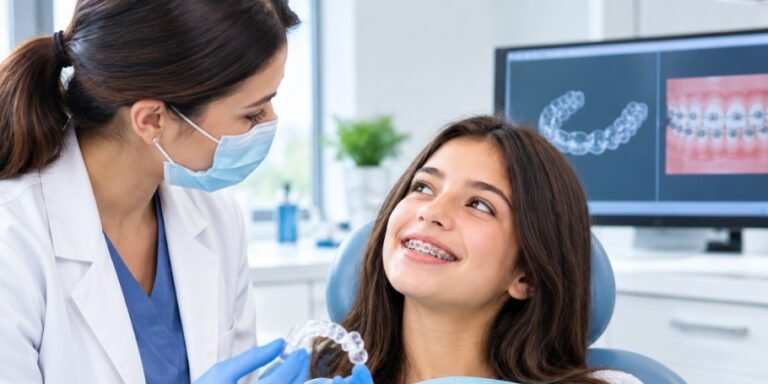
Clear aligners are transparent, removable trays designed to move teeth gradually according to a customized plan. Because they do not use traditional brackets and wires, they are often preferred by individuals seeking a more discreet appearance.
They can be removed during meals and while brushing or flossing, which may make daily routines more convenient. However, this flexibility also means that the wearer must follow the recommended schedule carefully.
Clear aligners may be considered for selected cases involving:
- Mild to moderate crowding
- Small gaps between teeth
- Certain bite irregularities
- Minor rotations
- Cosmetic alignment concerns
They are not automatically suitable for every situation. More complex movement may require fixed appliances or another approach recommended after an examination.
What Affects the Length of Treatment?
There is no universal timeline for improving tooth alignment. A person with a small spacing concern may complete care sooner than someone with severe crowding or a complicated bite.
Treatment duration may be influenced by:
- The amount of movement needed
- The complexity of the bite
- Age and individual response to treatment
- The selected appliance
- Missed appointments
- Inconsistent aligner wear
- Poor oral hygiene
- Damage to brackets, wires, or trays
Following the provider’s instructions and attending scheduled visits can help prevent unnecessary delays. A personalised assessment offers a more realistic estimate than general treatment promises.
Managing Daily Care During Treatment
Maintaining a consistent routine is important throughout the process. Orthodontic appliances can create additional areas where food and plaque collect, so regular cleaning should become part of your daily schedule.
Recommended habits include:
- Brush carefully around brackets and wires
- Use floss threaders or orthodontic cleaning tools when needed
- Clean removable trays as instructed
- Avoid foods that may damage fixed appliances
- Wear aligners for the recommended duration
- Attend monitoring appointments
- Report broken appliances promptly
Some mild pressure or tenderness may occur after a brace adjustment or when beginning a new set of trays. This usually settles as the mouth adjusts.
Why Retainers Matter After Active Care
Once the teeth reach their planned positions, they may still have a natural tendency to shift. Changes in the surrounding tissues, daily pressure, and normal aging can affect the stability of the result.
Retainers are used to help hold the teeth in place after active care. Depending on the case, the provider may recommend a removable retainer, a fixed wire behind the teeth, or both.
Retention is not an optional final step. Wearing the appliance according to the recommended schedule can help preserve the result and reduce the possibility of needing additional correction later.
Questions to Ask Before Choosing an Option
A consultation is an opportunity to understand the proposed plan and what will be expected throughout care. Consider asking:
- What concerns need to be corrected?
- Which appliance is suitable for my condition?
- How long could the process take?
- Would clear aligners be appropriate for my teeth?
- What cleaning routine should I follow?
- How frequently will appointments be required?
- What retainer will I need afterward?
- Are there foods or habits I should avoid?
Having clear answers can make the process more predictable and help you prepare for the responsibilities involved.
Frequently Asked Questions
1. Can adults receive orthodontic care?
Yes. Adults can receive alignment care as long as their teeth, gums, and supporting bone are healthy enough for treatment. The recommended option depends on their specific dental condition.
2. Are clear aligners completely invisible?
Clear aligners are designed to be subtle, but they may still be slightly visible. Attachments or other features used during treatment can also affect how noticeable they appear.
3. Can braces improve bite problems?
Braces can help correct several bite concerns, including overbite, underbite, crossbite, and uneven tooth contact, depending on the complexity of the case.
4. Will orthodontic appliances cause discomfort?
Mild pressure or tenderness is common after adjustments or when starting a new aligner. This discomfort is generally temporary and tends to improve as the mouth adapts.
5. How long must retainers be worn?
The wearing schedule varies. Some people may need full-time use initially, followed by nighttime wear. The provider will recommend a schedule based on the stability of the result.
Improving tooth alignment requires an approach that considers bite function, dental health, lifestyle, and the amount of movement needed. Whether braces or clear aligners are recommended, professional planning and consistent care play an important role in achieving stable results. Burleson Family Dental and Orthodontics provides personalized orthodontic treatment in Burleson, TX, to help patients work toward a healthier, more balanced smile.