info@burlesonfamilydental.com
 (817) 547 0597
Dental Implants vs. Bridges: Which Is Better?
Quick Answer
When comparing dental implants and bridges, both treatments can effectively replace missing teeth and restore your smile. Dental implants replace the tooth root and crown, while bridges rely on neighboring teeth for support. The right choice depends on your oral health, treatment goals, and your dentist’s recommendation.
Supporting Points
- Dental implants help maintain jawbone health while providing a stable, long-term restoration.
- Dental bridges offer a reliable solution that can often be completed in less time without surgery.
- A comprehensive dental evaluation is the best way to determine which option is right for your smile.
A missing tooth can affect more than your appearance. It may change the way you chew, make speaking less comfortable, and even allow nearby teeth to shift over time. Replacing the tooth promptly helps maintain your oral health while restoring confidence in your smile.
If you’ve been considering dental implant treatment, you’ve probably also heard about dental bridges as another way to restore missing teeth. Both are trusted solutions in modern restorative dentistry, but they differ in how they’re placed, how they function, and the long-term benefits they provide.
Understanding these differences can help you make an informed decision. While one option may be ideal for one patient, another person may benefit from a different approach based on factors such as bone health, the condition of surrounding teeth, lifestyle, and overall dental goals.
How Dental Implants Restore Missing Teeth
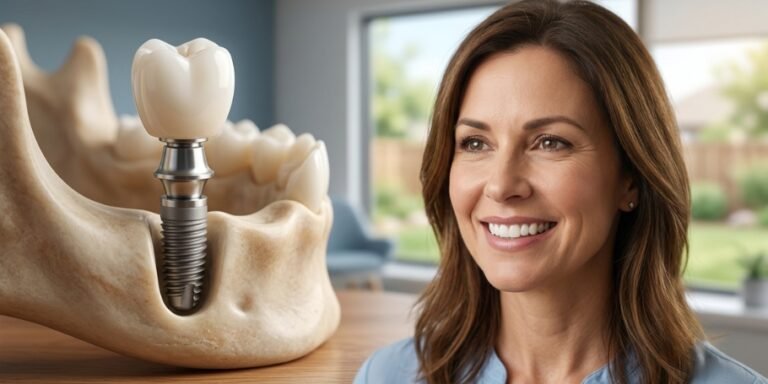
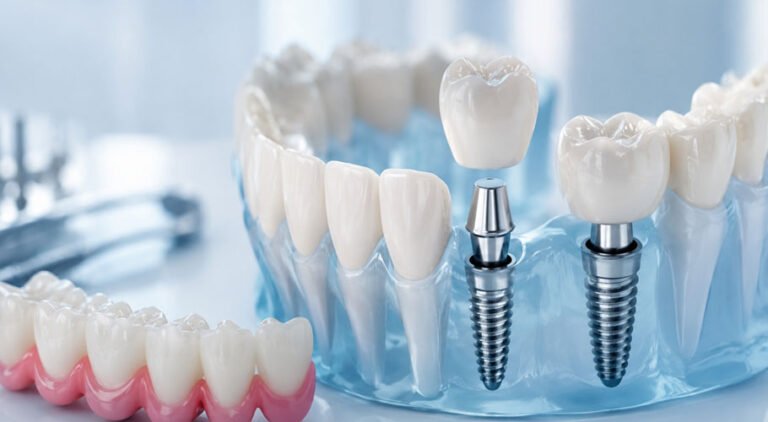
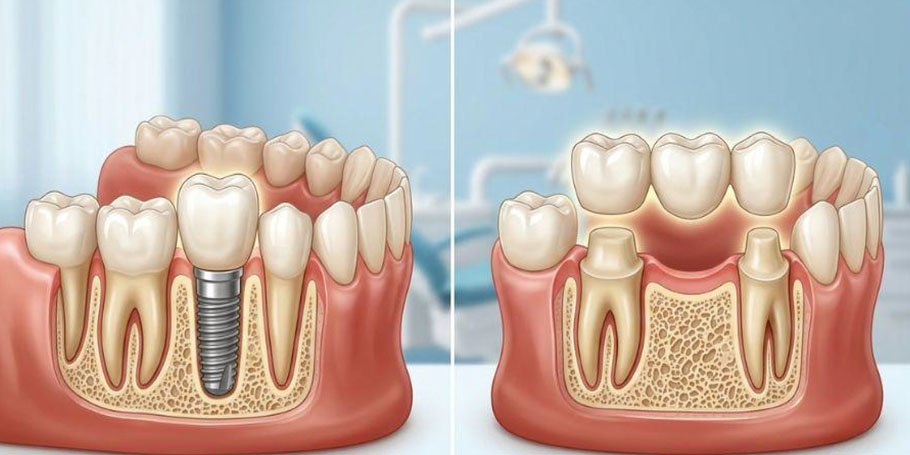
Unlike traditional restorations that sit above the gums, an implant replaces both the visible tooth and its root. A small titanium post is carefully placed into the jawbone, where it gradually fuses with the surrounding bone during the healing process. Once the area has healed, a custom-made dental crown is attached to complete the restoration.
Because the artificial root becomes part of the jaw, the replacement tooth feels secure and functions much like a natural one. Many patients appreciate the stability it provides for everyday activities such as eating, speaking, and smiling.
Why Many Patients Choose Implant Restorations
An implant-supported restoration offers several advantages beyond simply filling the gap left by a missing tooth.
Some of the most notable benefits include:
- Preserves the natural shape and density of the jawbone.
- Does not require healthy neighboring teeth to be altered.
- Provides excellent stability during eating and speaking.
- Closely resembles the appearance of a natural tooth.
- Can serve as a long-term solution with proper care.
Another important benefit is that replacing the missing root helps stimulate the jawbone. This reduces the bone loss that often occurs after a tooth is lost and supports the overall structure of your smile.
How Dental Bridges Replace Missing Teeth
A bridge is another well-established method for restoring a gap in your smile. Instead of placing an artificial root into the jawbone, this restoration uses the teeth on either side of the space for support. These neighboring teeth are prepared with dental crowns, which anchor the replacement tooth securely in place.
For many people, this treatment provides a dependable way to regain normal chewing function and improve the appearance of their smile without requiring a surgical procedure.
Benefits of Choosing a Bridge
Although implants receive a great deal of attention, bridges remain an excellent solution for many patients.
Some advantages include:
- A shorter treatment timeline.
- No surgical placement required.
- Restores everyday function and appearance.
- A reliable option when nearby teeth already need crowns.
- Comfortable and natural-looking results.
When recommended by a dentist, a fixed dental bridge can successfully restore both function and confidence while blending naturally with the surrounding teeth.
Comparing the Two Treatment Options
Both restorations are designed to replace missing teeth, but they achieve this in different ways. Understanding how they compare can make it easier to decide which approach aligns with your oral health needs.
How the Procedures Differ
One of the biggest differences is the treatment process itself.
An implant involves placing a titanium post into the jawbone, followed by a healing period that allows the bone to bond with the implant before the final crown is attached. While this process takes longer, it creates a highly stable foundation.
A bridge generally requires fewer appointments because it relies on the neighboring teeth for support rather than integrating with the jawbone. Once the supporting teeth have been prepared and impressions are taken, the completed restoration is secured in place.
Effect on Healthy Teeth
Another key distinction is how each option affects the surrounding teeth.
Because implants are self-supporting, they leave adjacent teeth untouched. Preserving healthy tooth structure is often considered one of their greatest advantages.
A bridge, however, depends on nearby teeth for stability. If those teeth are healthy, they usually need to be reshaped so crowns can support the restoration. While this remains a safe and common procedure, it does involve modifying natural tooth structure.
Supporting Long-Term Oral Health
Replacing a tooth isn’t just about restoring your smile. It’s also about protecting the health of your mouth for years to come.
When a tooth root is missing, the jawbone no longer receives the stimulation it needs. Over time, this may lead to gradual bone loss in that area.
Because an implant functions as an artificial root, it helps maintain bone volume and supports facial structure. A bridge restores the visible portion of the tooth but does not replace the root beneath the gums, so it cannot provide the same level of bone stimulation.
Longevity and Daily Maintenance
One of the most common questions patients ask is how long their restoration will last. While no dental treatment lasts forever, both options are designed to provide dependable results when cared for properly.
An implant restoration is known for its durability because it becomes securely anchored within the jawbone. With good oral hygiene, regular professional cleanings, and routine checkups, many patients enjoy long-term function for many years.
A bridge is also a reliable restoration and has helped countless patients regain comfortable chewing and a complete smile. Its lifespan often depends on the health of the supporting teeth, daily oral care, and regular dental visits. Keeping the surrounding gums and teeth healthy plays an important role in the success of any restoration.
Which Restoration Is Right for You?
There’s no universal answer when choosing a replacement for a missing tooth. The best option depends on your unique dental needs, overall health, and personal preferences.
Here are some of the factors your dentist will consider before recommending a treatment plan.
The Health of Your Jawbone
A strong jawbone provides the foundation needed to support an implant. If a tooth has been missing for a long time, some bone loss may have occurred. In certain situations, a bone graft may be recommended to rebuild the area before treatment begins.
Even if additional procedures are necessary, many patients can still become candidates for this type of restoration.
The Condition of Nearby Teeth
The teeth adjacent to the gap also influence the decision.
If neighboring teeth already have large fillings or require crowns, a bridge may be a practical solution because those teeth can support the restoration.
On the other hand, if the surrounding teeth are healthy and free from significant damage, preserving their natural structure may make an implant a more suitable choice.
Overall Health and Lifestyle
Your general health, medical history, and lifestyle habits all contribute to treatment planning. Conditions that affect healing, certain medications, or tobacco use may influence which restoration is recommended.
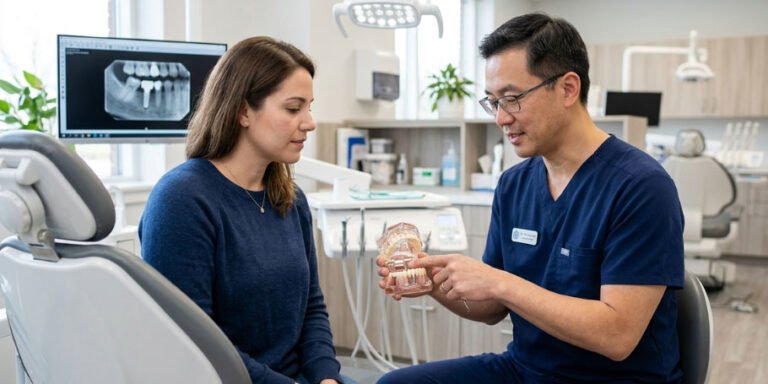
A comprehensive dental examination allows your provider to determine the safest and most predictable approach for your smile.
Your Long-Term Goals
Some patients value completing treatment in the shortest possible time, while others prioritize preserving bone health and maintaining a restoration that closely mimics a natural tooth.
Discussing your expectations with your dentist ensures that the treatment selected aligns with both your immediate needs and long-term oral health goals.
Simple Tips to Protect Your New Smile
Regardless of which restoration you receive, good oral hygiene remains the key to long-lasting results.
Here are a few simple habits that can help keep your smile healthy:
- Brush thoroughly twice each day using a soft-bristled toothbrush.
- Clean between your teeth daily with floss or other recommended cleaning aids.
- Schedule routine dental examinations and professional cleanings.
- Avoid chewing on ice, pens, or other hard objects that may damage your restoration.
- Wear a custom nightguard if you grind or clench your teeth while sleeping.
Consistent home care, combined with regular dental visits, helps protect your investment and supports a healthier smile for years to come.
Frequently Asked Questions
Which option usually lasts longer?
Both restorations are durable, but an implant-supported tooth is generally designed to provide longer-term function because it replaces the tooth root as well as the visible portion of the tooth. The longevity of either treatment depends on proper care and regular dental checkups.
Is one treatment more comfortable than the other?
Both options are designed to feel comfortable once treatment is complete. Many patients say an implant feels very similar to a natural tooth because it is securely anchored within the jaw, while bridges also provide dependable comfort and function.
Can everyone receive an implant?
Not necessarily. Factors such as bone density, gum health, and certain medical conditions can affect eligibility. A thorough evaluation allows your dentist to determine the most appropriate restoration for your individual needs.
Can a bridge be replaced later?
In many situations, yes. Depending on the condition of your gums and jawbone, an existing bridge may be replaced with another restoration in the future. Your dentist can explain the available options during a consultation.
How do I know which treatment is best for me?
The right choice depends on several factors, including the location of the missing tooth, the condition of surrounding teeth, your oral health, and your long-term goals. A personalized evaluation is the best way to determine the most appropriate treatment.
Choosing the right solution for a missing tooth is an important decision that should be based on your individual needs rather than a one-size-fits-all approach. Both implant restorations and bridges can successfully restore your smile, improve chewing ability, and support better oral health. Understanding how each treatment works, along with its benefits and considerations, can help you feel more confident about your decision.
If you’re considering your tooth replacement options, the team at Family Dentistry in Burleson, TX, can provide a comprehensive evaluation and recommend a treatment plan tailored to your smile. Whether your goal is restoring a single tooth or improving your overall oral health, personalized care can help you achieve a comfortable, healthy, and confident smile that lasts for years.