info@burlesonfamilydental.com
 (817) 547 0597
Orthodontic Treatment: Types, Benefits, Process & What to Expect
Quick Answer
Orthodontic care is designed to improve the alignment of teeth and jaws, helping create a healthier and more balanced smile. It can address concerns such as crowded teeth, gaps, bite problems, and teeth that are not positioned correctly.
- Orthodontic care can improve the alignment and positioning of teeth.
- Treatment may involve braces, clear aligners, retainers, or other appliances.
- Orthodontic treatment can benefit both children and adults.
- Treatment time depends on the complexity of the alignment problem.
- Retainers and regular dental visits are important for maintaining results.
A straight smile is not only about appearance. The position of your teeth can affect how you bite, chew, clean between your teeth, and maintain your oral hygiene. Crowded or overlapping teeth may be harder to brush and floss properly, while certain bite problems can affect how the upper and lower teeth come together.
Orthodontic treatment focuses on gradually moving teeth into healthier positions and improving the relationship between the teeth and jaws. Depending on the patient’s needs, treatment may use traditional braces, removable appliances, or newer alignment systems.
The ideal treatment approach varies from patient to patient. An orthodontic evaluation can help identify the underlying alignment concern and determine which option is most appropriate.
What Is Orthodontic Treatment?
Orthodontic treatment involves using controlled pressure to gradually change the position of teeth. In some cases, treatment also focuses on guiding jaw development or correcting the way the upper and lower teeth meet.
The goal is not simply to make teeth look straighter. Proper alignment can make everyday functions such as biting, chewing, and cleaning easier.
Orthodontic care may be recommended for concerns including:
- Crowded or overlapping teeth.
- Noticeable spaces between teeth.
- Teeth that protrude.
- Crossbite.
- Overbite.
- Underbite.
- Uneven tooth alignment.
- Certain jaw alignment concerns.
A dental or orthodontic examination helps determine the cause and severity of the problem before treatment begins.
Common Orthodontic Treatment Options
Different orthodontic systems are available, and the most appropriate choice depends on factors such as age, tooth position, bite, treatment goals, and the complexity of the case.
1. Traditional Braces
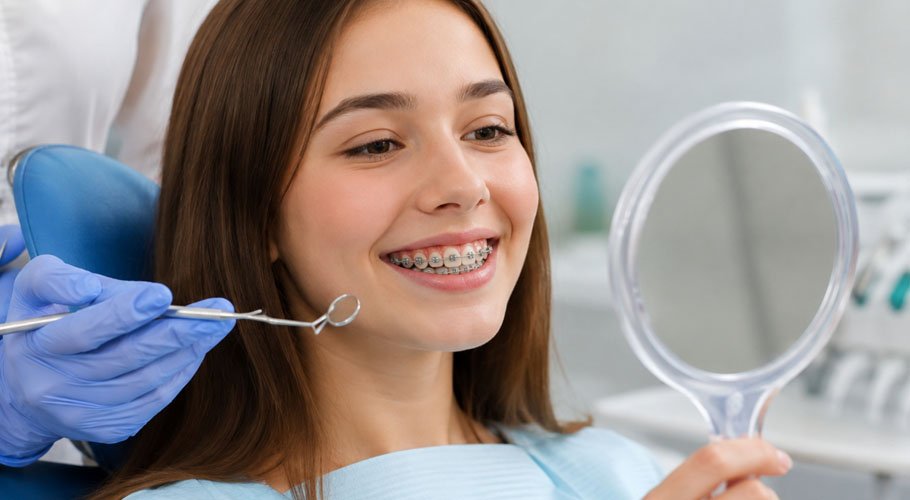
Traditional braces use brackets attached to the teeth and a wire system that applies controlled pressure. The orthodontic team makes adjustments during scheduled appointments to gradually guide the teeth toward their planned positions.
Modern braces can be designed to be more comfortable and discreet than older systems. They remain a reliable option for treating a wide range of alignment concerns.
2. Clear Aligners
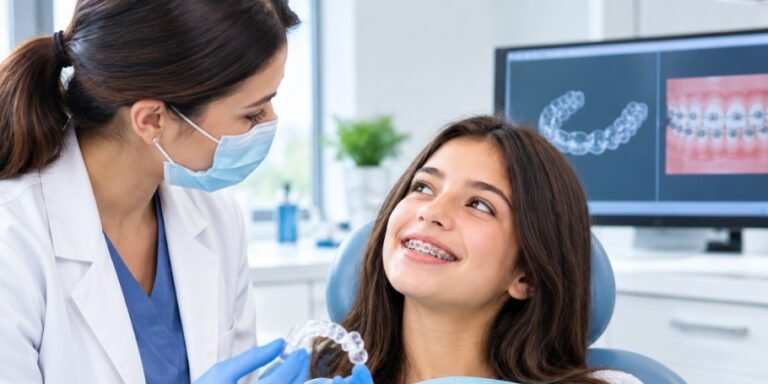
Clear aligners use a series of removable trays that are custom-designed to gradually move the teeth. They are generally less noticeable than traditional braces and can be removed when eating and cleaning the teeth.
Aligners may be suitable for selected alignment problems, although they are not necessarily appropriate for every orthodontic case.
3. Retainers
Retainers are typically used after active orthodontic treatment. Once teeth have been moved into their desired positions, retainers help maintain the result.
Depending on the treatment plan, retainers may be removable or fixed. Following the recommended wearing schedule is important because teeth can gradually shift over time.
Who May Benefit From Orthodontic Care?
Orthodontic treatment is not limited to children. Teenagers and adults can also benefit from treatment when teeth or bite relationships need correction.
You may benefit from an orthodontic evaluation if you notice:
- Teeth that overlap or appear crowded.
- Large spaces between teeth.
- Difficulty cleaning certain areas.
- An uneven bite.
- Teeth that do not meet properly when biting.
- Teeth that appear noticeably rotated or tilted.
- Concerns about the appearance of your smile.
Early evaluation can also be useful for children because some developing alignment problems may be easier to manage while the jaws and teeth are still developing.
How Does Orthodontic Treatment Work?
Orthodontic treatment is a gradual process rather than a one-time procedure. Each stage is planned according to the patient’s specific needs.
Initial Examination
The first step is an evaluation of the teeth, gums, bite, and jaw relationship. Your dental team may take photographs, X-rays, digital scans, or other records when necessary.
This information helps identify the current position of the teeth and provides a starting point for treatment planning.
Creating a Treatment Plan
After the evaluation, the orthodontic team determines the most appropriate treatment approach. This may include braces, aligners, or another orthodontic appliance.
The expected treatment process, appointments, and maintenance requirements can then be discussed with the patient.
Active Treatment
Once treatment begins, gentle and controlled forces gradually move the teeth. Patients receiving braces generally attend periodic appointments so the orthodontic system can be adjusted.
Patients using aligners typically progress through a series of trays according to their treatment plan.
Retention
After the active movement of the teeth is completed, retainers help maintain the new alignment. This stage is an important part of orthodontic care and should not be overlooked.
Benefits of Orthodontic Treatment
Improving tooth alignment can provide both functional and cosmetic benefits.
Potential benefits include the following:
- A more balanced smile.
- Easier brushing and flossing.
- Improved bite alignment.
- Better distribution of biting forces.
- Improved chewing function.
- Greater confidence when smiling.
- Easier maintenance of oral hygiene.
The benefits will depend on the patient’s starting condition and the goals established during treatment planning.
How Long Does Orthodontic Treatment Take?
There is no single treatment timeline that applies to every patient. The duration depends on the amount of tooth movement required, the type of orthodontic problem, the patient’s age, and how consistently treatment instructions are followed.
Some cases may require relatively limited correction, while more complex alignment or bite problems can take longer.
Regular appointments help the dental team monitor progress and make adjustments when necessary. Following instructions regarding appliances, aligners, elastics, and retainers can also help keep treatment on track.
Braces Treatment: What Should You Expect?
For patients undergoing braces treatment, the first few days after placement may feel different as the mouth becomes accustomed to the brackets and wires. Mild pressure or tenderness can occur when the teeth begin responding to the orthodontic forces.
During treatment, patients should:
- Brush carefully around brackets and wires.
- Clean between teeth regularly.
- Follow dietary recommendations.
- Attend scheduled adjustment appointments.
- Contact the dental office if a wire or bracket becomes damaged.
Good oral hygiene is especially important during orthodontic treatment because food particles can collect around brackets and make cleaning more challenging.
Caring for Your Teeth During Orthodontic Treatment
Keeping your teeth clean throughout orthodontic treatment is essential. Brackets, wires, and other appliances can create additional areas where plaque and food particles accumulate.
Helpful habits include:
- Brush thoroughly twice each day.
- Clean around brackets and along the gumline.
- Floss or use recommended interdental cleaning tools.
- Limit foods that may damage orthodontic appliances.
- Continue regular dental checkups.
- Follow your orthodontic team’s instructions.
Maintaining healthy teeth and gums during treatment can make the overall orthodontic experience smoother.
Braces vs. Clear Aligners
Patients often compare traditional braces with removable aligners before starting treatment.
Braces
- Fixed to the teeth.
- Can address many types of alignment concerns.
- Do not need to be removed during the day.
- Require careful cleaning around brackets.
Clear Aligners
- Removable.
- Less noticeable than traditional braces.
- Can be taken out for eating and oral hygiene.
- Require consistent wear according to the treatment plan.
The choice should be based on the patient’s dental condition rather than appearance alone. Your dental professional can explain which system is appropriate for your specific alignment needs.
Is Orthodontic Treatment Painful?
Orthodontic treatment is generally associated with pressure or temporary tenderness rather than severe pain. Patients may notice mild discomfort after braces are placed, wires are adjusted, or a new aligner is introduced.
This sensation usually settles as the mouth adjusts to the change. Following the care instructions provided by your dental team can help you manage temporary discomfort.
If you experience significant or persistent pain, swelling, or an appliance-related problem, contact your dental office for guidance.
Frequently Asked Questions
1. At what age should orthodontic treatment begin?
There is no single ideal age for every patient. Children can benefit from an early orthodontic evaluation, while teenagers and adults can also receive treatment. The appropriate timing depends on dental development and the alignment concern.
2. Can adults get orthodontic treatment?
Yes. Adults can undergo orthodontic treatment when their teeth and supporting structures are healthy enough for treatment. The available options depend on the individual’s dental condition.
3. How long do braces usually stay on?
Treatment time varies depending on the complexity of the case and the amount of movement required. Your orthodontic team can provide a more specific estimate after evaluating your teeth and bite.
4. Can I eat normally with braces?
Most patients can continue eating many of their usual foods, but certain hard, sticky, or chewy foods may need to be avoided to protect the brackets and wires.
5. Do I need a retainer after treatment?
Retainers are commonly recommended after active orthodontic treatment to help maintain the corrected tooth positions. Your dental team will explain how and when to wear your retainer.
Orthodontic care can help address crooked teeth, crowding, gaps, and bite concerns while creating a more balanced and functional smile. Whether treatment involves traditional braces, removable appliances, or another approach, the plan should be tailored to the patient’s individual needs.
For patients considering clear aligners, an evaluation can determine whether removable aligner therapy is suitable for their particular alignment concerns. Consistent follow-up and proper oral hygiene remain important regardless of the treatment method selected.
If you are considering orthodontic care and want professional guidance about your available options, consulting an experienced orthodontist in Burleson, TX can help you understand the next steps and choose an approach suited to your smile and oral health needs.