info@burlesonfamilydental.com
 (817) 547 0597
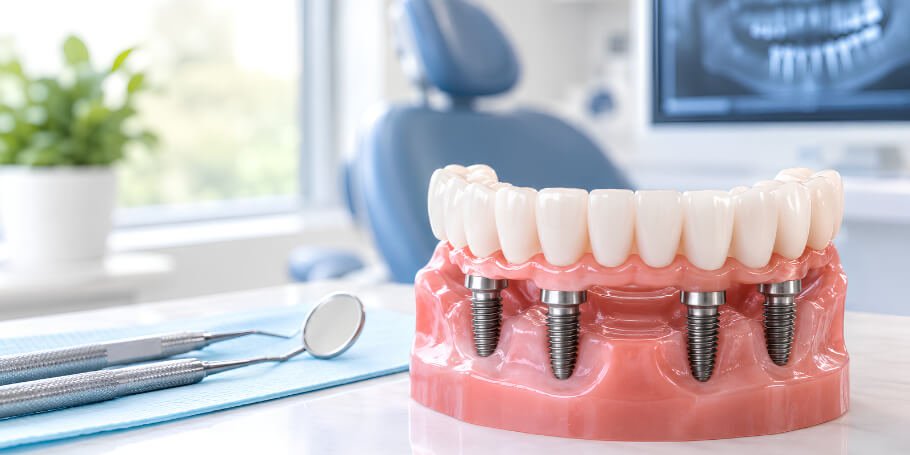
What Are Your Options for Replacing an Entire Arch of Teeth?
Quick Answer
- Extensive tooth loss can be treated with implants that support a full set of replacement teeth.
- Treatment can replace one arch, upper or lower, or both arches.
- Implants anchor the new teeth in the jawbone, which can feel more stable than traditional dentures.
- Planning considers bone health, gum condition and your personal goals.
- Daily cleaning and regular checkups protect the long term success of the restoration.
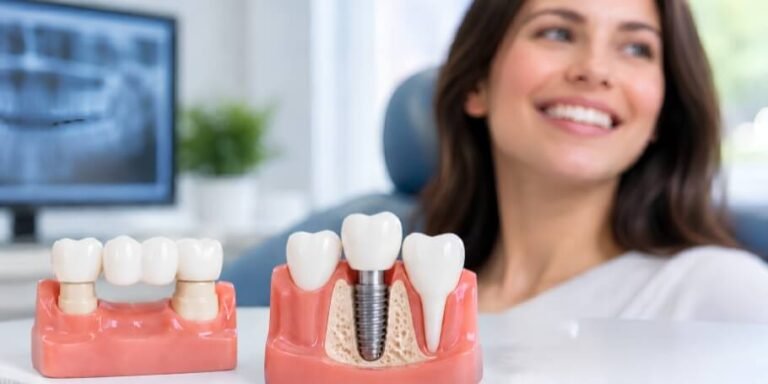
Losing most or all of your teeth changes more than your smile. Eating, speaking and confidence can all feel different. For many patients, full-mouth dental implants offer a way to restore a complete set of teeth that feels stable and natural, using a small number of implants to support each arch instead of one implant for every missing tooth.
Because every mouth is different, the right approach depends on how many teeth are missing, the health of your jawbone and gums, and whether you prefer a fixed or removable restoration. Understanding the options makes your consultation more productive.
Why Replacing Many Missing Teeth Matters
When a large number of teeth are missing, the effects reach beyond appearance. The jawbone slowly shrinks without tooth roots to stimulate it, and the face can begin to look sunken over time. Many patients also avoid foods they once enjoyed, which can affect nutrition.
Extensive tooth loss may also cause:
- Difficulty chewing a balanced diet.
- Changes in speech and pronunciation.
- Gradual jawbone loss.
- A sunken or aged facial appearance.
- Less confidence in social situations.
Replacing the missing teeth with a stable restoration helps bring back comfortable function and protects the structures that remain.
What Factors Influence Your Treatment Choice?
Before recommending a restoration, your dentist evaluates the overall condition of your mouth. The goal is to choose an option that fits your oral health, daily needs and ability to maintain it.
Important considerations may include:
- The number and location of missing teeth.
- Whether one or both arches need treatment.
- The amount of available jawbone.
- Gum health and signs of gum disease.
- Your general health.
- Any existing dentures and how they fit.
- Your preference for fixed or removable teeth.
A detailed evaluation ensures the plan supports the whole mouth rather than only filling the gaps. It also helps set realistic expectations for the treatment timeline.
Exploring Common Options for Missing Arches
Different restorations suit different needs. Knowing the basics helps you ask better questions.
Implant Supported Dentures
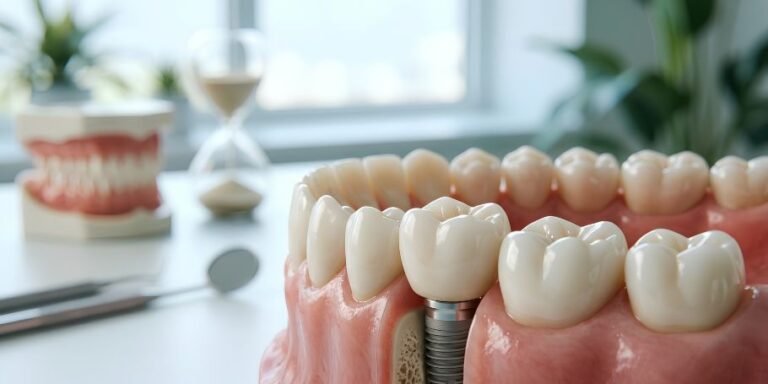
These removable teeth snap onto implants placed in the jaw. They are more secure than traditional dentures and can be taken out for cleaning. They may be considered when you prefer a removable option with better stability.
Fixed Full Arch Restorations
A fixed restoration is attached to implants and stays in place. It is cleaned at home like natural teeth and removed only by the dental team when needed. Patients often choose it for a more natural feel.
Traditional Dentures
Traditional dentures rest on the gums without implants. They can be a practical option for some patients, though they may shift during eating or speaking and do not stimulate the jawbone.
When Is Treatment for One Arch Considered?
Some patients have lost or are losing teeth in only the upper or lower jaw. In these cases, single-arch dental implants may be considered to support a complete set of replacement teeth on one side while keeping the natural teeth in the opposite jaw. Your dentist looks at bone support, bite balance and the condition of the remaining teeth to decide whether treating one arch is the right plan. A well planned restoration should blend with your natural smile and feel comfortable in everyday use.
What Happens During Treatment Planning?
Planning is essential because replacing an entire arch involves the jawbone, gums and bite working together.
The evaluation may include:
- A clinical examination.
- Dental imaging and scans.
- Assessment of bone support.
- Review of gum health.
- Evaluation of your bite.
- Discussion of your goals and concerns.
If bone support is limited or gum disease is present, additional treatment may be recommended before implants are placed.
What Does the Treatment Process Look Like?
Treatment moves in stages so your body has time to heal.
- Consultation and detailed planning.
- Preparation of the mouth, including removal of failing teeth when needed.
- Placement of the implants.
- A healing period while the implants fuse with the bone.
- Attachment of the final replacement teeth.
Your dentist explains the timeline for your situation so you know what to expect at each step. Healing time varies from person to person, and follow up visits help confirm that everything is progressing well.
How Can You Care for Your New Teeth?
Implant supported teeth need consistent care to stay healthy for years.
Helpful habits include:
- Brushing twice daily.
- Cleaning around and under the restoration as shown by your dental team.
- Using the recommended cleaning tools.
- Avoiding chewing very hard objects.
- Attending routine checkups and professional cleanings.
- Reporting looseness, discomfort or changes in your bite.
What Should You Discuss With Your Dentist?
Before beginning treatment, ask questions that help you understand the plan.
You may want to ask:
- Which option suits my situation?
- Will my restoration be fixed or removable?
- Do I need additional treatment first?
- How long will the process take?
- What care will be needed afterward?
Open conversation helps you feel prepared and confident in your decision.
Frequently Asked Questions
1. Is a full arch restoration the same as dentures?
Not exactly. Some restorations are removable dentures held by implants, while others are fixed and stay in place. Your dentist explains which type fits your needs.
2. How many implants are needed for one arch?
The number varies with bone support and the design of the restoration, so your dentist determines it after an evaluation.
3. Can I have implants if I have lost bone?
Often yes. Bone grafting can sometimes rebuild support, though a detailed examination is needed to confirm.
4. How should I clean implant supported teeth?
Brush twice daily and use the cleaning tools your dental team recommends for the areas around and under the restoration.
5. What should I do if my implant restoration feels loose or damaged?
Contact your dental office promptly. Seeking dental implant repair as soon as you notice looseness, discomfort or damage often keeps the problem simpler to address.
Replacing an entire arch of teeth is an important step toward comfortable eating, clear speech and a confident smile. The right solution depends on how many teeth are missing, the health of your jawbone and your long term goals. A consultation at Burleson Family Dental and Orthodontics can help patients who are exploring denture implants near Burleson,tx and other ways to restore a complete smile.