info@burlesonfamilydental.com
 (817) 547 0597
How to Choose the Right Orthodontic Treatment for a Healthier, Straighter Smile
Quick Answer
Orthodontic treatment helps correct crooked, crowded, or spaced teeth and bite problems so your smile can look and function better. Depending on your dental needs, treatment may involve traditional metal braces, ceramic braces, or clear aligners. The right option depends on your tooth alignment, bite, oral health, age, and personal preferences. A dental evaluation helps identify the concerns that need attention and creates a treatment plan suited to your goals. With regular appointments, good oral hygiene, and proper retainer use after treatment, you can help maintain your results for the long term.
Key Points
- Orthodontic care can correct crowding, gaps, and certain bite problems.
- Treatment options may include metal braces, ceramic braces, and clear aligners.
- Children, teens, and adults may benefit from an orthodontic evaluation.
- Good brushing and cleaning between teeth are important throughout treatment.
- Regular visits help monitor tooth movement and make necessary adjustments.
- Wearing a retainer as directed helps prevent teeth from shifting after treatment.
Why Orthodontic Treatment Matters
Orthodontic care is about more than creating a straight-looking smile. Crowded teeth can be harder to clean, allowing plaque to collect and increasing the risk of tooth decay and gum problems. A bite that does not fit together properly may contribute to uneven tooth wear or make chewing uncomfortable.
Treatment can improve alignment and bite function when these concerns are suitable for correction. Before recommending an option, the dentist checks tooth position, jaw relationship, gum health, and overall dental condition. Existing cavities or gum concerns may need attention first.
Who May Benefit From Orthodontic Care?
Children, teens, and adults can benefit from an orthodontic assessment. A family orthodontic evaluation can help identify concerns as children grow, while teens and adults can also be assessed.
You may want to schedule an evaluation if you notice:
- Crooked, overlapping, or crowded teeth
- Large spaces or gaps between teeth
- An overbite, underbite, or crossbite
- Teeth that do not meet evenly when you bite
- Difficulty chewing or biting certain foods
- Uneven tooth wear
- Teeth shifting after earlier orthodontic treatment
- Self-consciousness about your smile
An evaluation helps determine whether monitoring, early care, or a full treatment plan is appropriate.
What Are the Available Orthodontic Options?
The right appliance depends on your alignment needs, preferences, and ability to follow care instructions.
Traditional Metal Braces
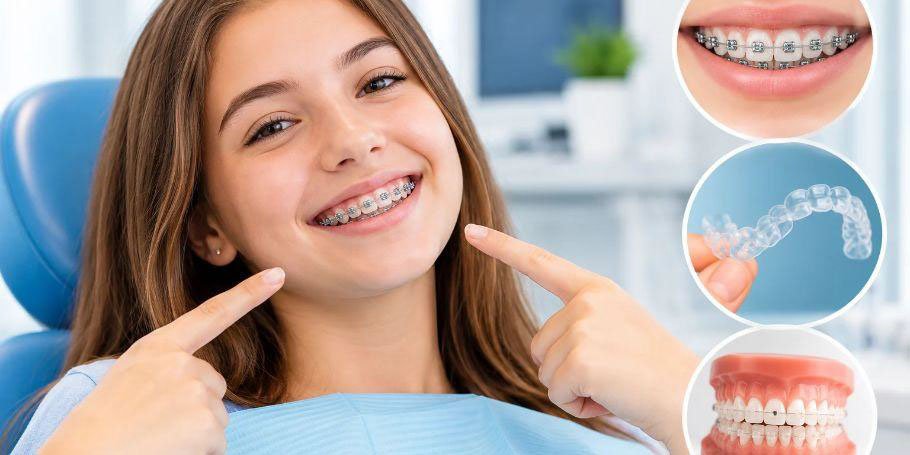
Metal braces use brackets attached to the teeth and connected by a wire. The wire applies controlled pressure to guide teeth into better positions over time. They can address a wide range of alignment and bite concerns, including more complex tooth movements.
Ceramic Braces
Ceramic braces work in a similar way to metal braces but use tooth-colored brackets. They may be a suitable choice for patients who want a less noticeable fixed option. The brackets still need careful cleaning, and patients should follow guidance about foods that may stain or damage them.
Clear Aligners
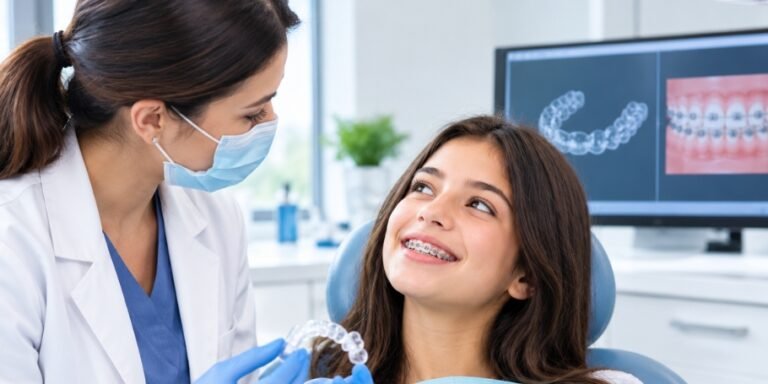
Clear aligners are removable, transparent trays that gradually move teeth. They can be taken out for meals, brushing, and flossing, which may make daily cleaning more convenient. They need to be worn for the number of hours recommended by the dental provider, and they may not be suitable for every orthodontic concern.
Early Orthodontic Evaluation
An early evaluation can identify developing concerns with tooth position, jaw growth, or bite. Some children may benefit from treatment while growing; others may only need monitoring. Timing depends on each child’s development.
What to Expect During Brace Treatment
Brace treatment involves several appointments. Here is what you can expect.
Initial Consultation
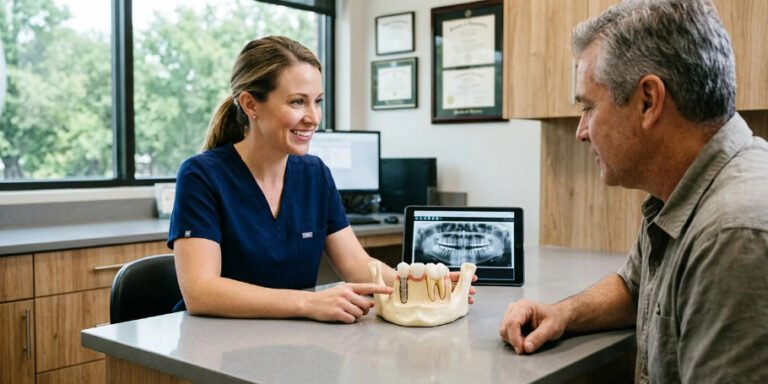
The provider examines your teeth, gums, and bite. Digital X-rays or photographs may be taken when needed. You can discuss your goals and questions with the dental team.
Personalized Treatment Plan
The provider explains the recommended option, estimated treatment time, appointments, and fees. The plan reflects your oral health and alignment needs.
Starting Treatment
With braces, brackets are attached to the teeth and connected by a wire. With clear aligners, you receive instructions for wearing and changing the trays. Mild pressure or soreness can occur at first or after adjustments.
Progress Visits
Follow-up visits allow the team to check tooth movement and make adjustments or provide new aligners. Attend appointments and contact the office if an appliance is damaged.
Retention Phase
A retainer helps keep teeth in their new positions. Teeth can shift over time, so follow the instructions for wearing it.
How to Care for Your Teeth During Treatment
Daily care protects your teeth and gums during treatment.
- Brush carefully twice a day with a soft-bristled toothbrush and fluoride toothpaste.
- Clean around brackets, wires, and the gumline; an interdental brush may help reach difficult areas.
- Floss daily using a method or tool recommended by your dental team.
- If you wear clear aligners, remove them for meals and clean the trays as instructed.
- Limit sticky, hard, and very chewy foods if you have braces, as they can damage brackets or wires.
- Avoid chewing ice, pens, or fingernails.
- Continue routine dental cleanings and checkups as advised.
If you play contact sports, ask about a protective mouthguard.
Signs You Should Contact Your Dental Provider
Pressure or tenderness can occur, but contact your dental office if you experience:
- A loose bracket or broken wire
- An aligner that is cracked or no longer fits properly
- Persistent or worsening pain
- Swelling, bleeding, or signs of infection
- A wire that is cutting or injuring the inside of your cheek
- Difficulty biting that is new or getting worse
Do not attempt major appliance repairs yourself. Ask your dental team what to do until your visit.
Frequently Asked Questions
1. How long does orthodontic treatment take?
Treatment depends on case complexity and tooth movement. Many plans take 12 to 24 months, though some are shorter or longer.
2. Can adults get braces?
Yes. Adults with healthy teeth and gums may be candidates for metal braces, ceramic braces, or clear aligners.
3. Are braces painful?
Some pressure or soreness after placement or adjustments is common and usually improves within a few days.
4. Are clear aligners better than braces?
Braces can manage many complex movements, while removable aligners suit selected cases. Your examination helps identify the right option.
5. Do I need to wear a retainer after treatment?
Yes. Teeth can gradually move after braces or aligners are finished. Wearing your retainer as directed helps maintain their new positions.
6. Can orthodontic treatment improve oral health?
Correcting crowding may make teeth easier to clean, but brushing, flossing, and regular dental visits remain essential.
A straighter smile starts with understanding your needs and choosing care that supports both appearance and function. If you are considering orthodontic in Burleson, TX, Burleson Family Dental & Orthodontics can assess your teeth and bite, discuss available options such as braces and clear aligners, and help you understand the next steps. Schedule a consultation to discuss a personalized treatment plan for you or your family.