info@burlesonfamilydental.com
 (817) 547 0597
How Dental Implants Help Restore Everyday Comfort After Tooth Loss
Quick Answer
Replacing a missing tooth helps restore chewing ability, maintain proper bite alignment, and improve the appearance of your smile. Depending on oral health, patients may choose dental implants, bridges, or dentures. Dental implants offer a fixed replacement that supports the jawbone, while bridges and dentures provide alternative solutions for different needs. A dental examination helps determine the most suitable treatment.
Losing a tooth can affect more than the appearance of your smile. A dental implant can replace the missing tooth with a stable restoration that functions much like a natural tooth. Beyond filling the visible gap, treatment can help maintain chewing efficiency and support the surrounding oral structures. Understanding the available options can help patients make informed decisions about restoring their smiles.
Many people delay tooth replacement because they are unsure which treatment is appropriate or what the process involves. However, leaving a gap untreated may affect neighboring teeth, bite alignment, and the jawbone over time. Knowing how different treatments work can make it easier to discuss your options with a dentist.
Understanding the Different Tooth Replacement Options
Several restorative treatments are available for replacing missing teeth. The right choice depends on the number of teeth missing, the condition of the gums, jawbone health, and personal preferences.
Dental Implants
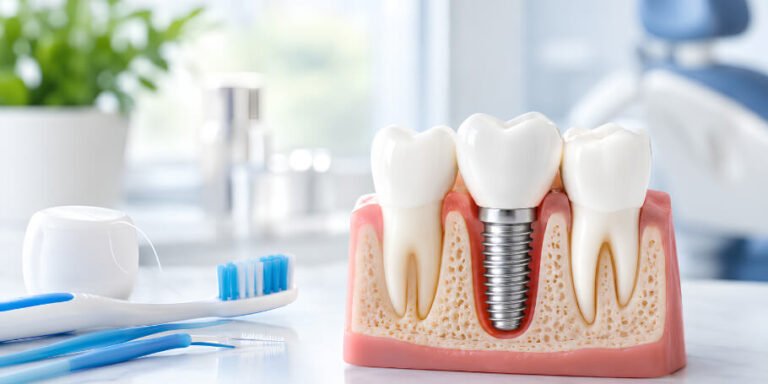
Implants use a small post placed in the jawbone to support a replacement tooth. Once the post integrates with the bone, a custom-made crown is attached. This option provides a fixed restoration without relying on neighboring teeth for support.
Dental Bridges
A dental bridge replaces one or more missing teeth by attaching an artificial tooth to supporting teeth on either side of the gap. Bridges are fixed restorations and can restore chewing function, although the supporting teeth may require reshaping.
Removable Dentures
Dentures replace several missing teeth or an entire arch. They can be removed for cleaning and are often considered when multiple teeth are missing. Their stability depends on their fit and the condition of the supporting tissues.
How Dental Implants Support Oral Health
A dental implant consists of three main components, each serving a specific purpose.
- Implant post: Usually made from titanium, it is placed into the jawbone and acts as an artificial tooth root.
- Abutment: Connects the implant post to the replacement tooth.
- Crown: The visible portion, designed to match the shape, size, and color of surrounding teeth.
After placement, the implant gradually integrates with the jawbone through a process known as osseointegration. This connection provides a stable foundation for the restoration.
Natural tooth roots stimulate the jawbone during chewing. When a tooth is lost, the bone in that area may gradually shrink. Implants can help preserve bone by transferring chewing forces to the jaw. However, the outcome depends on proper placement, healing, and ongoing oral care.
Who May Be Suitable for Tooth Replacement Treatment?
Most adults with missing teeth can explore restorative treatment. However, the appropriate option depends on individual dental and medical factors.
Important Factors Dentists Evaluate
- Gum health and the presence of active periodontal disease
- Jawbone volume and density
- Number and location of missing teeth
- Bite alignment and chewing habits
- Overall health and healing capacity
- Daily oral hygiene practices
Patients with insufficient jawbone may require additional procedures, such as bone grafting, before implant placement. Those with gum disease may need treatment before proceeding.
A consultation, clinical examination, and appropriate imaging help determine whether an implant, bridge, or denture is suitable.
The Tooth Replacement Process Step by Step
Treatment usually involves several stages. The timeline varies depending on the restoration selected and the patient’s healing response.
1. Initial Consultation
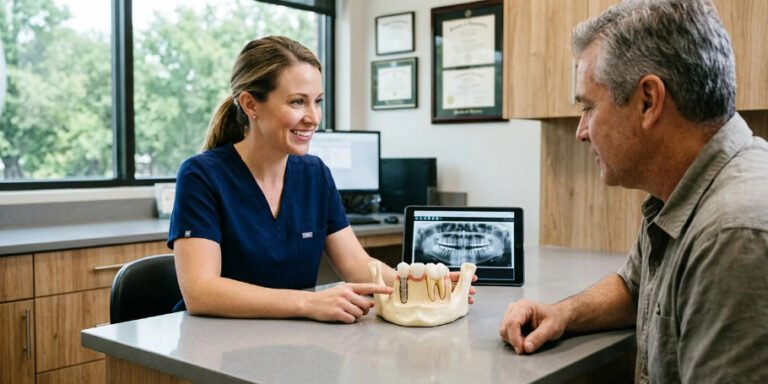
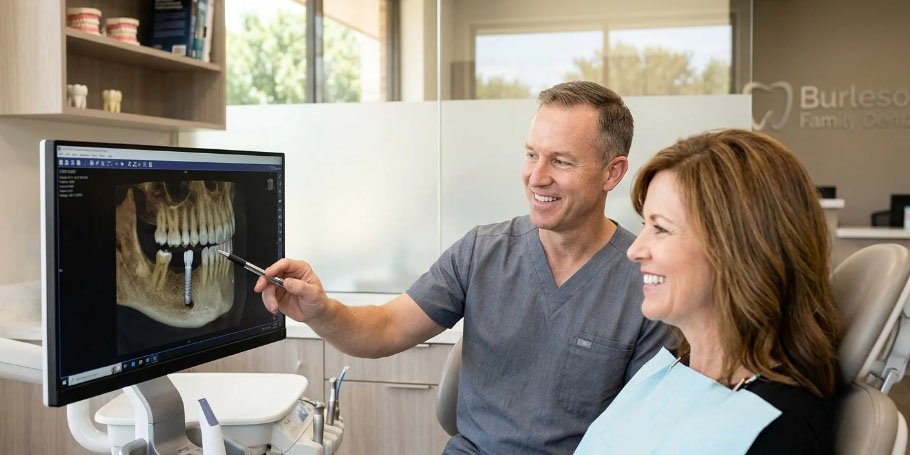
The dentist evaluates the missing tooth, surrounding gums, bite, and overall oral health. Digital imaging may be used to assess the jawbone and identify potential concerns.
2. Treatment Planning
A personalized treatment plan is prepared based on the patient’s needs. The dentist discusses the available options, expected timeline, and any additional procedures required.
3. Tooth Replacement Procedure
For implants, the post is placed into the jawbone under local anesthesia. Bridges and dentures follow different procedures depending on their design and supporting structures.
4. Healing and Integration
Implants require a healing period during which the bone integrates with the post. Temporary restorations may be provided when appropriate.
5. Final Restoration
Once healing is complete, the permanent crown, bridge, or denture is fitted. The dentist checks the fit, bite, comfort, and appearance.
What to Expect During Recovery
Recovery depends on the treatment performed. Patients receiving implants may experience mild swelling, tenderness, or minor bleeding during the first few days. These symptoms generally improve as healing progresses.
Following the dentist’s instructions can help support recovery.
Helpful Recovery Practices
- Choose soft foods during the initial healing period.
- Avoid chewing directly on the treated area until advised.
- Use cold compresses if recommended to reduce swelling.
- Maintain gentle oral hygiene around the treatment site.
- Avoid smoking, as it can interfere with healing.
- Attend scheduled follow-up appointments.
Patients should contact their dentist if pain increases, swelling worsens, or symptoms do not improve as expected.
Benefits of Replacing Missing Teeth
Restoring a missing tooth can provide several functional and aesthetic advantages.
- Improves chewing efficiency and bite balance
- Helps maintain the position of neighboring teeth
- Supports clearer speech when tooth loss affects pronunciation
- Restores the appearance of the smile
- Reduces the challenges associated with an untreated gap
- Helps patients feel more comfortable during everyday activities
Implants offer additional advantages because they are fixed in the jawbone and do not require support from adjacent teeth. However, every treatment has its own benefits and limitations.
Comparing Common Tooth Replacement Options
| Factor | Implants | Bridges | Dentures |
| Stability | Fixed in the jawbone | Fixed to supporting teeth | Removable |
| Jawbone Support | Helps maintain bone | Does not replace the root | Limited support |
| Neighboring Teeth | Usually left untouched | May require reshaping | May use clasps or other support |
| Cleaning | Brushing and flossing | Requires cleaning beneath the bridge | Removed for cleaning |
| Suitable For | Selected single or multiple tooth gaps | Specific gaps with suitable supporting teeth | Multiple or complete tooth loss |
Each treatment has a place in restorative dentistry. The best option depends on oral health, treatment goals, budget, and long-term maintenance needs.
Why Replacing a Missing Tooth Should Not Be Delayed
An untreated gap may lead to changes in the mouth over time. These changes can make future restorative treatment more complicated.
Potential concerns include the following:
- Neighboring teeth shifting into the empty space
- Changes in the bite and chewing pattern
- Gradual jawbone loss
- Increased food trapping around the gap
- Difficulty chewing certain foods
- Additional strain on remaining teeth
Not every patient experiences these changes at the same rate. A dental evaluation can help identify existing concerns and determine whether treatment is needed.
Maintaining Your Replacement Tooth for Long-Term Results
Restorative treatment requires consistent care to maintain its function and appearance. Implants cannot develop cavities, but the surrounding gums can become inflamed if plaque accumulates.
Following proper dental implant care practices can help protect the tissues around an implant and reduce the risk of complications. Patients should brush twice daily, clean between their teeth, and attend regular dental examinations. Using a soft-bristled toothbrush and any recommended interdental cleaning aids can help remove plaque around the restoration. Avoiding smoking and following professional maintenance instructions also support long-term implant health.
Recommended habits include:
- Brush twice daily using a soft-bristled toothbrush.
- Clean between teeth with floss or interdental brushes.
- Use any recommended cleaning aids for bridges or dentures.
- Attend regular dental examinations and professional cleanings.
- Avoid chewing hard objects such as ice.
- Inform your dentist about discomfort, bleeding, or changes in the restoration.
Regular monitoring helps identify potential problems before they become more serious.
Why Professional Treatment Planning Matters
Successful tooth replacement involves more than filling an empty space. The dentist must evaluate the bite, surrounding teeth, gum condition, and available bone to ensure the restoration functions properly.
Choosing an experienced dental team also helps patients understand the treatment stages, expected healing time, and maintenance requirements. A clear explanation of the available options allows patients to make decisions based on their oral health needs rather than appearance alone. This is where implant dentistry plays an important role, combining careful diagnosis, personalized planning, and restorative techniques to replace missing teeth while supporting long-term oral health.
Frequently Asked Questions
1. Is replacing a missing tooth necessary?
Replacement may be recommended to restore chewing function, maintain bite alignment, and reduce the risk of neighboring teeth shifting. The need for treatment depends on the location of the missing tooth and individual oral health.
2. How long does dental implant treatment take?
Treatment may take several months because the implant needs time to integrate with the jawbone. Additional procedures or individual healing factors may extend the timeline.
3. Are dental implants better than bridges?
Implants and bridges serve different purposes. Implants replace the tooth root and crown, while bridges rely on supporting teeth. The appropriate option depends on the patient’s oral health and treatment goals.
4. Can I replace multiple missing teeth?
Yes. Depending on the condition of the jawbone and remaining teeth, implants, bridges, or dentures may be used to replace multiple missing teeth.
5. How do I maintain my replacement tooth?
Daily brushing, cleaning between teeth, professional cleanings, and regular dental visits help maintain the restoration and surrounding tissues.
Will my replacement tooth look natural?
Modern restorations are designed to match the appearance of surrounding teeth. The final result depends on the restoration type, materials, and treatment planning.
Missing teeth can affect everyday comfort, chewing, and confidence, but several restorative options can help bring your smile back to function. With appropriate treatment planning, professional placement, and consistent maintenance, a replacement tooth can provide lasting benefits. Patients considering tooth replacement can discuss their oral health, treatment expectations, and available options with a dental professional.
If you are considering a dental implant in Burleson, TX, Burleson Family Dental and Orthodontics can help you explore suitable tooth replacement options. Schedule a consultation to discuss your needs and determine the right approach for restoring your smile.