info@burlesonfamilydental.com
 (817) 547 0597
Dental Implants: Complete Guide to Types, Procedures, Benefits & Recovery
Quick Answer
Dental implants are advanced tooth replacement solutions that replace missing teeth with artificial tooth roots and natural-looking crowns. They provide a stable, long-lasting option for restoring smile appearance, chewing ability, and overall oral function.
- Dental implants replace missing teeth by mimicking the structure of natural teeth.
- Different types include single tooth implants, multiple dental implants, and full mouth dental implants.
- The treatment process involves consultation, implant placement, healing, and crown restoration.
- Dental implants improve chewing, speech, confidence, and long-term oral health.
- Proper care and regular dental visits help maintain implant function for many years.
Losing a tooth can affect more than just your smile. Missing teeth may make chewing difficult, impact speech, and create changes in the surrounding teeth and jawbone. Over time, gaps left by missing teeth can contribute to bite problems and reduced confidence.
Dental implants offer a reliable solution by replacing both the visible tooth structure and the root portion beneath the gum line. Unlike removable options, implants are designed to provide a stable foundation that closely resembles natural teeth.
Replacing missing teeth at the right time can help maintain oral function and prevent future dental complications. Modern implant dentistry allows patients to restore their smiles with comfortable and natural-looking results.
What Are Dental Implants?
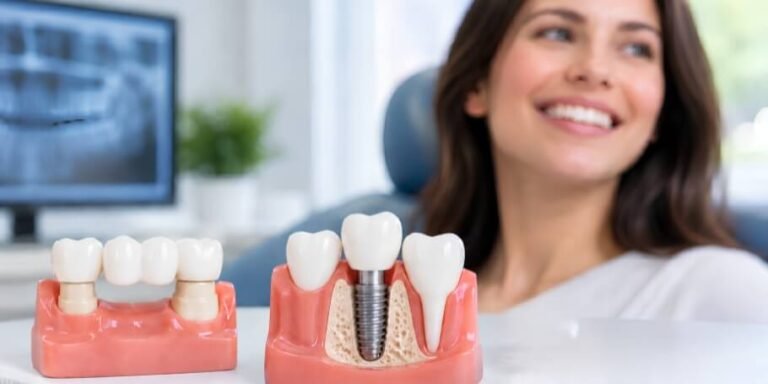
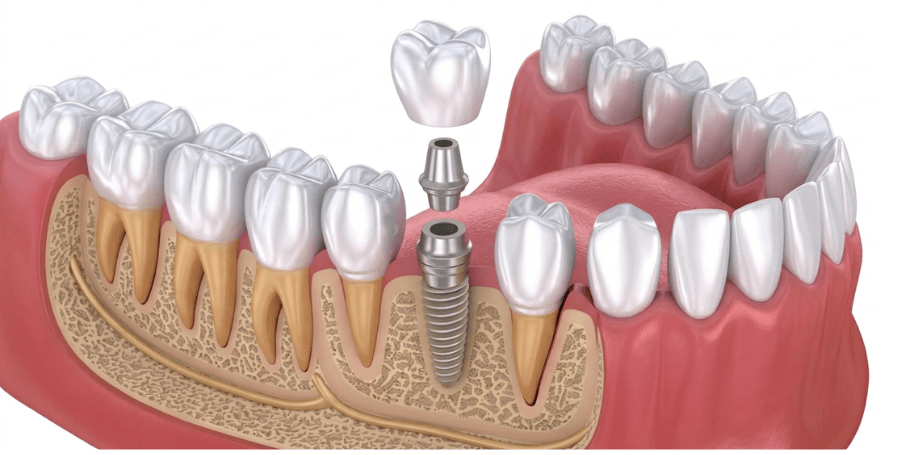
Dental implants are artificial tooth roots made from biocompatible materials, usually titanium, that are surgically placed into the jawbone. After the implant integrates with the bone, a custom-made dental crown is attached to restore the appearance and function of the missing tooth.
A dental implant consists of three main components:
- Implant post: The screw-like structure placed inside the jawbone.
- Abutment: A connector that attaches the implant post to the crown.
- Dental crown: The visible tooth-like restoration designed to match your natural teeth.
Unlike traditional tooth replacement options, implants provide support from the jawbone, helping create a more secure and natural-feeling restoration.
Types of Dental Implants
The right implant option depends on the number of missing teeth, jawbone health, and overall oral condition. Your dentist will evaluate your needs before recommending the most suitable treatment.
1. Single Tooth Implants
A single tooth implant is used when one tooth is missing. It involves placing one implant post and attaching a customized crown that matches the surrounding teeth.
Benefits of a single tooth implant include:
- Restores the appearance of a missing tooth.
- Prevents shifting of nearby teeth.
- Improves chewing function.
- Maintains a natural-looking smile.
2. Multiple Dental Implants
Multiple dental implants are recommended when several teeth are missing. Instead of replacing each tooth individually, implants can support multiple crowns or an implant-supported bridge.
This option provides improved stability compared to traditional removable dentures and helps restore normal oral function.
3. Full Mouth Dental Implants
Full mouth dental implants are designed for patients who need complete replacement of their upper teeth, lower teeth, or both arches.
This treatment can help patients with:
- Extensive tooth loss.
- Severely damaged teeth.
- Poorly fitting dentures.
- Reduced chewing ability.
Full mouth restoration provides a fixed and durable solution that improves both function and appearance.
Who Is a Good Candidate for Dental Implants?
Not everyone with missing teeth immediately qualifies for implant treatment. A thorough dental evaluation helps determine whether implants are suitable.
You may be a good candidate if you have:
- One or more missing teeth.
- Healthy gums.
- Sufficient jawbone support.
- Good overall oral hygiene habits.
- A commitment to maintaining regular dental care.
Patients with bone loss may require additional procedures, such as bone grafting, before implant placement.
Dental Implant Procedure: Step-by-Step Process
The dental implant process is completed in multiple stages to ensure proper healing and long-term success.
Initial Consultation and Evaluation
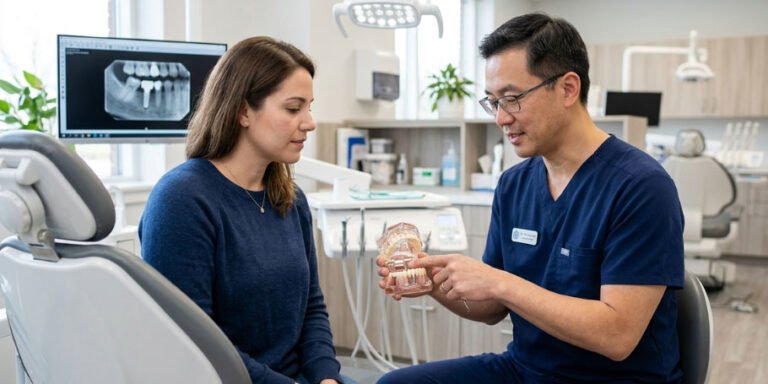
The first step involves a detailed examination of your teeth, gums, and jawbone. Your dentist may use:
- Digital X-rays.
- 3D dental imaging.
- Oral examinations.
- Dental scans.
These evaluations help determine the condition of your jawbone and create a personalized treatment plan.
Implant Placement
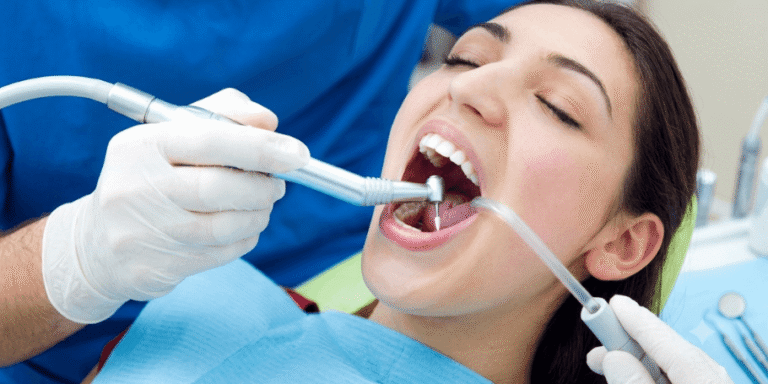
During the implant placement procedure, the dentist carefully positions the implant post into the jawbone. The area is allowed to heal so that the implant can fuse naturally with the surrounding bone.
This process, known as osseointegration, creates a strong foundation for the final restoration.
Healing and Integration Period
Healing time varies depending on individual factors such as bone health, implant location, and overall healing ability.
During this phase:
- The implant becomes securely attached to the jawbone.
- The surrounding tissues heal.
- The dentist monitors progress through follow-up appointments.
Crown Placement
Once healing is complete, an abutment and customized crown are attached to the implant. The final restoration is designed to match your natural teeth in shape, size, and appearance.
Benefits of Dental Implants
Dental implants provide several advantages compared with traditional tooth replacement options.
Some important benefits include:
- Creates a natural-looking smile.
- Improves chewing and biting ability.
- Provides better stability compared with removable dentures.
- Helps maintain jawbone structure.
- Supports clear speech.
- Prevents neighboring teeth from shifting.
- Improves confidence and quality of life.
Because implants are designed to function like natural teeth, many patients find them comfortable and convenient for everyday activities.
How Long Do Dental Implants Last?
With proper care and maintenance, dental implants can provide long-term results. Their lifespan depends on several factors, including:
- Oral hygiene habits.
- Gum health.
- Lifestyle choices.
- Regular dental checkups.
- Proper implant care.
While the implant post can last for many years, the crown may require replacement over time due to normal wear.
Dental Implant Recovery Process
Recovery after implant surgery varies from person to person. Most patients experience mild discomfort that gradually improves during the healing period.
Common recovery recommendations include:
- Follow your dentist’s aftercare instructions.
- Avoid hard or crunchy foods during early healing.
- Maintain gentle oral hygiene.
- Take prescribed medications as directed.
- Attend follow-up appointments.
Good care during recovery supports proper healing and reduces the risk of complications.
Caring for Your Dental Implants
Maintaining excellent oral hygiene is essential for protecting your implant and surrounding teeth.
Helpful care tips include:
- Brush twice daily with a soft-bristled toothbrush.
- Floss regularly around the implant area.
- Schedule routine dental examinations.
- Avoid habits like chewing hard objects.
- Maintain healthy gums through proper cleaning.
Although implants are resistant to decay, the surrounding gums and supporting tissues still require proper care.
Dental Implants vs Other Tooth Replacement Options
Patients often compare implants with dentures and bridges before choosing treatment.
Dental Implants
Advantages:
- Fixed and stable solution.
- Closely resembles natural teeth.
- Helps preserve jawbone health.
Dentures
Advantages:
- Removable option.
- May be suitable for patients who are not candidates for implants.
Dental Bridges
Advantages:
- Can replace missing teeth without surgery.
- Uses surrounding teeth for support.
Your dentist can help determine which option best matches your oral health, lifestyle, and treatment goals.
Are Dental Implants Painful?
Many patients are concerned about discomfort during implant treatment. The procedure is generally performed using local anesthesia, which helps minimize pain during placement.
After surgery, some patients may experience the following:
- Mild swelling.
- Tenderness around the implant area.
- Minor discomfort while chewing.
These symptoms usually improve with proper aftercare and follow-up guidance from your dentist.
Frequently Asked Questions
1. How long does the dental implant process take?
The complete process may take several months because the implant needs time to integrate with the jawbone before the final crown is placed. The timeline depends on healing and individual treatment requirements.
2. Are dental implants better than dentures?
Dental implants provide greater stability because they are fixed into the jawbone, while dentures are removable. The best option depends on your oral health, preferences, and dental condition.
3. Can anyone get dental implants?
Many adults are suitable candidates for implants, but factors such as gum health, jawbone strength, and overall health must be evaluated before treatment.
4. How should I clean my dental implants?
Dental implants should be cleaned like natural teeth with regular brushing, flossing, and professional dental checkups to maintain healthy gums and long-term results.
5. How successful are dental implants?
Dental implants have a high success rate when placed and maintained properly. Good oral hygiene and regular dental visits play an important role in long-term implant health.
Dental implants provide an effective way to replace missing teeth while restoring natural appearance, chewing ability, and confidence. With different options available, including single-tooth implants, multiple implants, and full-mouth solutions, treatment can be customized according to each patient’s needs.
Choosing the right tooth replacement option requires a detailed evaluation of your oral health, goals, and lifestyle. Consulting an experienced implant dentist in Burleson, TX, can help you understand your options and create a personalized plan for achieving a healthier, more complete smile.