info@burlesonfamilydental.com
 (817) 547 0597

Braces vs. Clear Aligners: Understanding Your Orthodontic Option
Quick Answer
Orthodontic treatment can help straighten crooked or crowded teeth, improve bite alignment, and support better oral function. Treatment may involve clear aligners, traditional braces, or other orthodontic approaches based on the patient’s dental needs.
- Orthodontic treatment can address crowded, crooked, or spaced teeth.
- Treatment can help improve certain bite problems.
- Clear aligners and braces are commonly used orthodontic options.
- Treatment begins with an examination and assessment of the teeth and bite.
- The treatment approach depends on the patient’s age, oral health, alignment concerns, and treatment goals.
- Regular dental and orthodontic care is important throughout treatment.
Crooked or crowded teeth can affect more than the appearance of a smile. Misaligned teeth may make brushing and cleaning between certain areas more difficult. Bite problems can also affect how the upper and lower teeth come together during everyday activities such as chewing.
Orthodontic care provides a structured way to gradually move teeth into more appropriate positions. By applying controlled pressure over time, orthodontic appliances can guide teeth and improve their alignment. The final goal is not simply a straighter smile but an alignment that supports comfortable function and easier oral hygiene.
The right approach depends on the patient’s specific dental needs. An orthodontic evaluation can help identify alignment concerns, assess the bite, and determine which treatment option may be appropriate.
What Does Orthodontic Treatment Address?
Orthodontic treatment focuses on the position of the teeth and the relationship between the upper and lower jaws. Different alignment concerns may require different approaches.
Common concerns may include:
- Crowded teeth
- Crooked teeth
- Gaps between teeth
- Overbite
- Underbite
- Crossbite
- Certain bite alignment concerns
When teeth are not positioned properly, some areas may be harder to clean or may receive uneven pressure during chewing. Correcting alignment can help create a more balanced relationship between the teeth.
Which Orthodontic Option May Be Right for You?
There is no single orthodontic solution that works for every patient. The type and severity of the alignment concern, the patient’s age, oral health, and treatment goals all play a role in selecting an appropriate approach.
Clear Aligners
Clear aligners are removable orthodontic appliances made to fit over the teeth. They are designed to apply controlled pressure to gradually guide teeth toward planned positions.
They may be considered for patients with certain alignment concerns who prefer a less noticeable orthodontic appliance.
Clear aligners can offer the ability to:
- Remove the aligners when eating.
- Brush and floss without brackets attached to the teeth.
- Follow a planned series of aligners as teeth gradually move.
- Maintain a more discreet appearance during treatment.
Not every orthodontic concern can be treated with the same aligner approach. An evaluation is necessary to determine whether aligners are suitable for the patient’s specific needs.
Traditional Braces
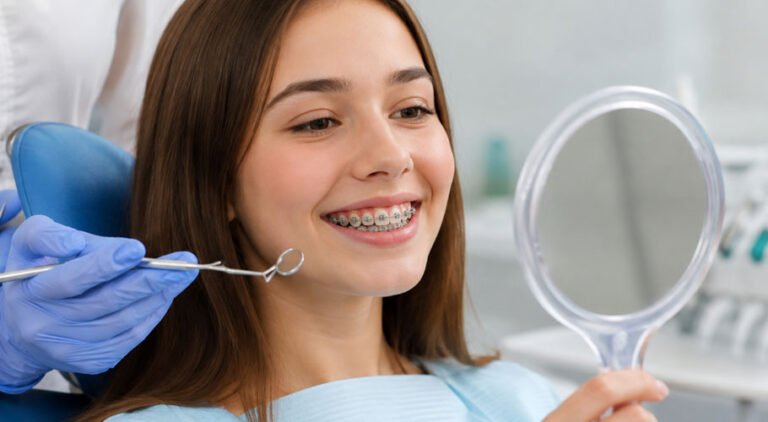
Traditional braces use brackets attached to the teeth and an archwire that applies controlled pressure. The wire is adjusted during scheduled appointments as treatment progresses.
Traditional braces may be useful for patients who need more comprehensive tooth movement or correction of certain bite and alignment concerns.
Braces can help address:
- Significant crowding
- Crooked teeth
- Gaps
- Certain bite problems
- More complex alignment concerns
Because braces remain attached to the teeth throughout treatment, patients need to pay close attention to brushing and cleaning around the brackets and wires.
Other Orthodontic Approaches
Depending on the patient’s needs, an orthodontic plan may involve additional appliances or a combination of approaches. The appropriate method depends on the position of the teeth, bite relationship, jaw development, and overall oral health.
What Happens Before Orthodontic Treatment?
The planning stage is an important part of orthodontic care. Before recommending treatment, your dental team needs to understand the current condition of your teeth and how your bite functions.
Your evaluation may include:
- Examination of the teeth and gums.
- Assessment of your bite.
- Evaluation of tooth alignment.
- Dental photographs or imaging when appropriate.
- Review of your dental history.
- Discussion of your treatment goals.
This information helps your dental team understand the alignment concerns and create an individualized treatment plan.
The Orthodontic Treatment Process
Although treatment varies from person to person, orthodontic care generally follows a planned sequence.
Initial Evaluation
Your dentist or orthodontic provider examines your teeth, bite, and overall oral health. This helps identify the areas that need attention and determine whether orthodontic treatment is appropriate.
Treatment Planning
Once your alignment concerns have been evaluated, a treatment plan is developed. The plan considers the current position of your teeth and the desired result.
Starting Treatment
Your selected orthodontic appliance is placed or provided according to your treatment plan. Braces are attached to the teeth, while clear aligners are provided as part of a planned series.
Gradual Tooth Movement
Orthodontic appliances apply controlled forces that gradually move the teeth. The movement takes place over time rather than all at once.
Follow-Up Appointments
Regular appointments allow your dental team to monitor progress and make necessary adjustments. For patients wearing aligners, follow-up visits can help confirm that treatment is progressing as planned.
Retention
After active orthodontic treatment, a retainer may be recommended to help maintain the new position of the teeth. Following retention instructions is an important part of protecting the results of orthodontic care.
What Are the Benefits of Orthodontic Care?
Orthodontic treatment can offer benefits beyond creating a straighter-looking smile.
Potential benefits include:
- Improved tooth alignment.
- Better relationship between the upper and lower teeth.
- Easier cleaning between properly aligned teeth.
- Improved chewing function for appropriate patients.
- A more balanced-looking smile.
- Greater confidence when smiling.
- Support for long-term oral hygiene.
The benefits vary depending on the patient’s original alignment, bite concerns, and selected treatment approach.
Are Orthodontic Treatments Suitable for Everyone?
Orthodontic treatment can be considered for children, teenagers, and adults, but the appropriate approach depends on individual circumstances.
Your dental team may consider:
- Tooth alignment.
- Bite relationship.
- Gum health.
- Existing dental conditions.
- Oral hygiene.
- Jaw development.
- Treatment goals.
- Ability to follow treatment instructions.
If dental concerns need to be addressed before orthodontic treatment begins, your dentist can explain the necessary steps and how they fit into the overall treatment plan.
Clear Aligners vs. Traditional Braces
Both options can help move teeth, but they work differently.
Clear Aligners
- Removable appliances.
- Designed to fit over the teeth.
- Generally less noticeable.
- Can be removed for eating and oral hygiene.
- Require consistent wear according to the treatment plan.
Traditional Braces
- Fixed to the teeth.
- Use brackets and archwires.
- Can address a wide range of alignment concerns.
- Remain in place throughout active treatment.
- Require careful cleaning around brackets and wires.
There is no universal option that is best for every patient. An orthodontic evaluation can help determine which approach is appropriate based on your teeth, bite, oral health, and treatment goals.
What Can You Expect During Treatment?
Some patients may notice temporary pressure or mild discomfort when their orthodontic appliance is first placed or adjusted. This can vary depending on the type of treatment and the stage of tooth movement.
Your dental team may advise you to:
- Follow all treatment instructions carefully.
- Maintain consistent brushing and flossing.
- Clean around braces or aligners as directed.
- Attend scheduled follow-up appointments.
- Wear aligners or retainers according to instructions.
- Contact your dental office if you experience unexpected or persistent problems.
Good oral hygiene remains important throughout orthodontic treatment because the teeth and gums still need daily care.
Frequently Asked Questions
1. At what age can orthodontic treatment begin?
Orthodontic treatment can be considered at different ages. The appropriate timing depends on tooth development, bite concerns, jaw growth, and the patient’s individual needs.
2. Are clear aligners removable?
Yes. Clear aligners are designed to be removed when eating and during oral hygiene. They should be worn according to the treatment instructions to support planned tooth movement.
3. How do traditional braces work?
Traditional braces use brackets and archwires to apply controlled pressure to the teeth. Over time, this pressure guides the teeth toward their planned positions.
4. Do adults benefit from orthodontic treatment?
Yes. Adults may receive orthodontic care for crooked teeth, spacing, crowding, and certain bite concerns. An evaluation can determine whether treatment is appropriate.
5. Will I need a retainer after treatment?
A retainer may be recommended after active orthodontic treatment to help maintain the corrected tooth positions. Your dental team can provide instructions based on your treatment plan.
A straighter smile is only one part of orthodontic care. Properly planned treatment can help address tooth alignment and bite concerns while supporting easier daily oral hygiene and comfortable dental function. Whether treatment involves aligners, braces, or another orthodontic approach, the right plan depends on your individual needs.
If you are considering orthodontics in Burleson, TX, Burleson Family Dental offers orthodontic care as part of comprehensive dental services. An evaluation can help identify your alignment concerns and determine an appropriate treatment approach for your smile.