info@burlesonfamilydental.com
 (817) 547 0597

When Should Your Child Have Their First Dental Visit?
Quick Answer
Children should generally have their first dental visit when their first tooth appears or by their first birthday, whichever comes first. Early appointments help identify developing concerns, guide parents on daily care, and make dental visits feel familiar rather than intimidating.
- Early visits help monitor tooth and jaw development.
- Parents receive guidance on brushing, diet, and oral habits.
- Dental concerns can be identified before they become more complicated.
- Regular appointments help children become comfortable in the dental setting.
- Preventive care supports healthy primary and permanent teeth.
Introduction
A child’s first dental appointment is an important step in establishing lifelong oral health habits. Many parents assume that dental visits are only necessary after all primary teeth have erupted or when a problem becomes noticeable. However, early professional guidance can help protect developing teeth and address concerns before they interfere with a child’s comfort or growth.
Choosing appropriate children’s dentistry early in life gives parents an opportunity to understand their child’s changing dental needs. These visits are not only about checking for cavities. They also involve monitoring development, discussing feeding and brushing habits, and helping children become familiar with dental care in a relaxed environment.
Why Is an Early Dental Visit Important?
Primary teeth play an important role in a child’s development. They help children chew food, form sounds, maintain space for permanent teeth, and support normal facial growth. Even though baby teeth eventually fall out, they still require proper care.
Delaying the first appointment may allow early signs of decay, enamel concerns, or developmental issues to go unnoticed. A dentist can identify potential problems and explain practical ways to reduce risks at home.
An early visit may help parents understand:
- When and how to brush their child’s teeth
- Which foods and drinks may increase decay risk
- How to manage thumb-sucking or pacifier habits
- What to expect during teething
- How often the child should receive checkups
- When fluoride may be beneficial
The goal is to make dental care a normal part of childhood rather than something introduced only during an emergency.
What Happens During a Child’s First Appointment?
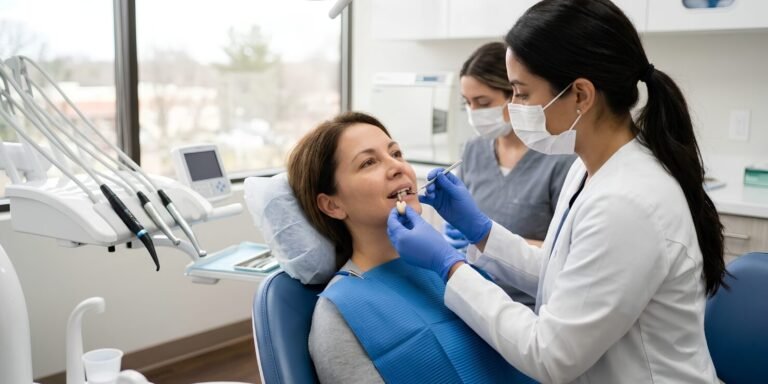
The first appointment is usually designed to be gentle, brief, and age-appropriate. A pediatric dental examination allows the dentist to assess the child’s teeth, gums, jaw development, emerging oral structures, and overall dental health in a comfortable setting. The dentist may allow the child to sit with a parent or carer, depending on their comfort level. The visit also gives the dental team an opportunity to identify early concerns and guide parents on suitable home-care practices.
The visit may include:
Review of Medical and Dental History
The dental team may ask about the child’s general health, feeding patterns, teething experiences, medications, allergies, and oral habits.
Examination of the Mouth
The dentist checks the gums, emerging teeth, tongue, jaw, and other oral structures. The examination helps identify signs of decay, enamel irregularities, or developmental concerns.
Guidance for Parents
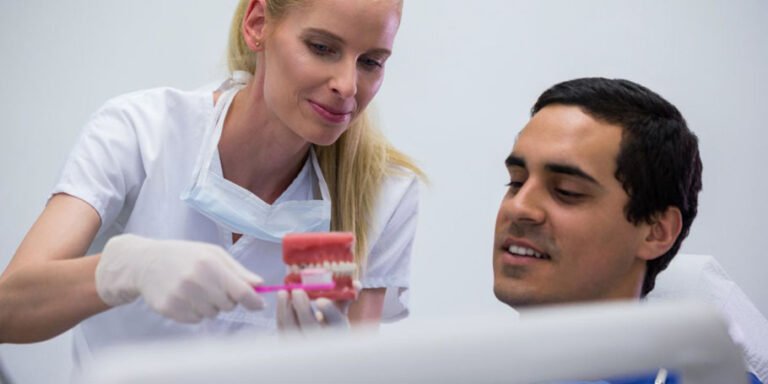
Parents may receive advice about brushing techniques, fluoride toothpaste, bottle use, snacks, drinks, and managing oral habits.
Building Familiarity
The first visit is also an opportunity for the child to become familiar with the dental chair, instruments, and staff. A calm first experience can make future appointments easier.
Not every young child will need X-rays or extensive procedures during the first visit. The dentist decides what is appropriate based on age, cooperation, risk factors, and clinical findings.
How Can Parents Prepare Their Child?
A positive dental experience often begins at home. Parents can help by describing the appointment in simple, reassuring language without creating unnecessary fear.
Helpful preparation tips include:
- Use positive and age-appropriate words.
- Avoid describing the visit as painful or frightening.
- Read children’s books about going to the dentist.
- Explain that the dentist will count and check their teeth.
- Bring a familiar toy or comfort item if permitted.
- Schedule the appointment when the child is usually rested.
- Avoid making the appointment sound like a punishment.
Parents should also avoid promising that nothing uncomfortable will happen. Instead, they can explain that the dental team will help the child feel safe and comfortable.
What Does Dental Care for Kids Involve?
Dental care for kids changes as children grow. Infants, toddlers, school-age children, and teenagers have different oral health needs, so appointments should be adapted to their stage of development.
Care may include:
- Monitoring tooth eruption
- Checking for early childhood cavities
- Applying fluoride when appropriate
- Assessing bite and jaw development
- Discussing brushing and flossing
- Evaluating oral habits
- Providing advice about sports mouthguards
- Monitoring the transition from primary to permanent teeth
As children become more independent, dental visits also help reinforce responsibility for daily brushing, healthy food choices, and regular checkups.
Common Dental Concerns During Childhood
Children may experience several dental concerns as their mouths develop. Some are temporary, while others may require monitoring or treatment.
Tooth Decay
Frequent sugary snacks, sweetened drinks, and inadequate brushing can increase the risk of cavities. Early decay may not always cause pain, which makes routine examinations important.
Teething Discomfort
Teething can cause gum tenderness, irritability, and changes in eating or sleeping patterns. Parents can ask the dental team about safe ways to ease discomfort.
Thumb-Sucking and Pacifier Use
Extended oral habits may affect tooth positioning or jaw development in some children. The dentist can advise parents on when intervention may be appropriate.
Dental Injuries
Falls, sports, and everyday accidents can result in chipped, loosened, or displaced teeth. Parents should seek professional advice after a significant dental injury, even if the child appears comfortable.
Crowding or Delayed Eruption
The dentist may monitor whether teeth are emerging in the expected sequence and identify signs that may require future orthodontic assessment.
How Often Should Children Visit the Dentist?
Many children benefit from dental checkups approximately every six months, although the exact schedule depends on their oral health, cavity risk, development, and previous dental findings.
Children with a higher risk of decay or specific developmental concerns may need more frequent visits. Regular appointments allow the dental team to compare changes over time and provide timely guidance.
Routine visits can help identify concerns such as:
- Early enamel damage
- Cavities between teeth
- Gum inflammation
- Changes in bite development
- Problems with tooth eruption
- Effects of oral habits
Keeping appointments consistent also helps children view dental care as a normal part of their routine.
Encouraging Healthy Dental Habits at Home
Parents have a major influence on a child’s oral health. Young children need supervision because they may not have the coordination to brush thoroughly on their own.
Helpful habits include:
- Brush twice daily with fluoride toothpaste as recommended.
- Begin flossing when teeth touch each other.
- Offer water between meals.
- Limit frequent sugary snacks and drinks.
- Avoid putting a child to bed with a bottle containing milk or juice.
- Replace toothbrushes when bristles become worn.
- Encourage children to protect their teeth during sports.
As children grow, parents can gradually allow them to take more responsibility while continuing to supervise their routine.
Frequently Asked Questions
1. When should a baby first visit the dentist?
The first visit is generally recommended when the first tooth appears or by the child’s first birthday, whichever comes first.
2. Should children visit the dentist even if they have no pain?
Yes. Many dental problems begin without noticeable symptoms. Preventive visits help identify concerns early and provide guidance for maintaining healthy teeth.
3. How can I help my child feel less nervous?
Use simple positive language, avoid frightening descriptions, and choose a dental office experienced in working with children. Familiarity usually improves with regular visits.
4. Are baby teeth really important?
Yes. Primary teeth support chewing, speech development, facial growth, and the proper spacing of permanent teeth.
5. How often should my child have a dental checkup?
Many children are advised to visit every six months, but the recommended frequency may vary depending on their dental health and risk factors.
A child’s early dental experiences can influence how they approach oral care as they grow. Regular visits, proper home-care guidance, and timely monitoring help support healthy tooth development and prevent avoidable concerns. Through age-appropriate children’s dental services in Burleson, TX, Burleson Family Dental and Orthodontics helps families establish positive dental habits from an early age.