info@burlesonfamilydental.com
 (817) 547 0597
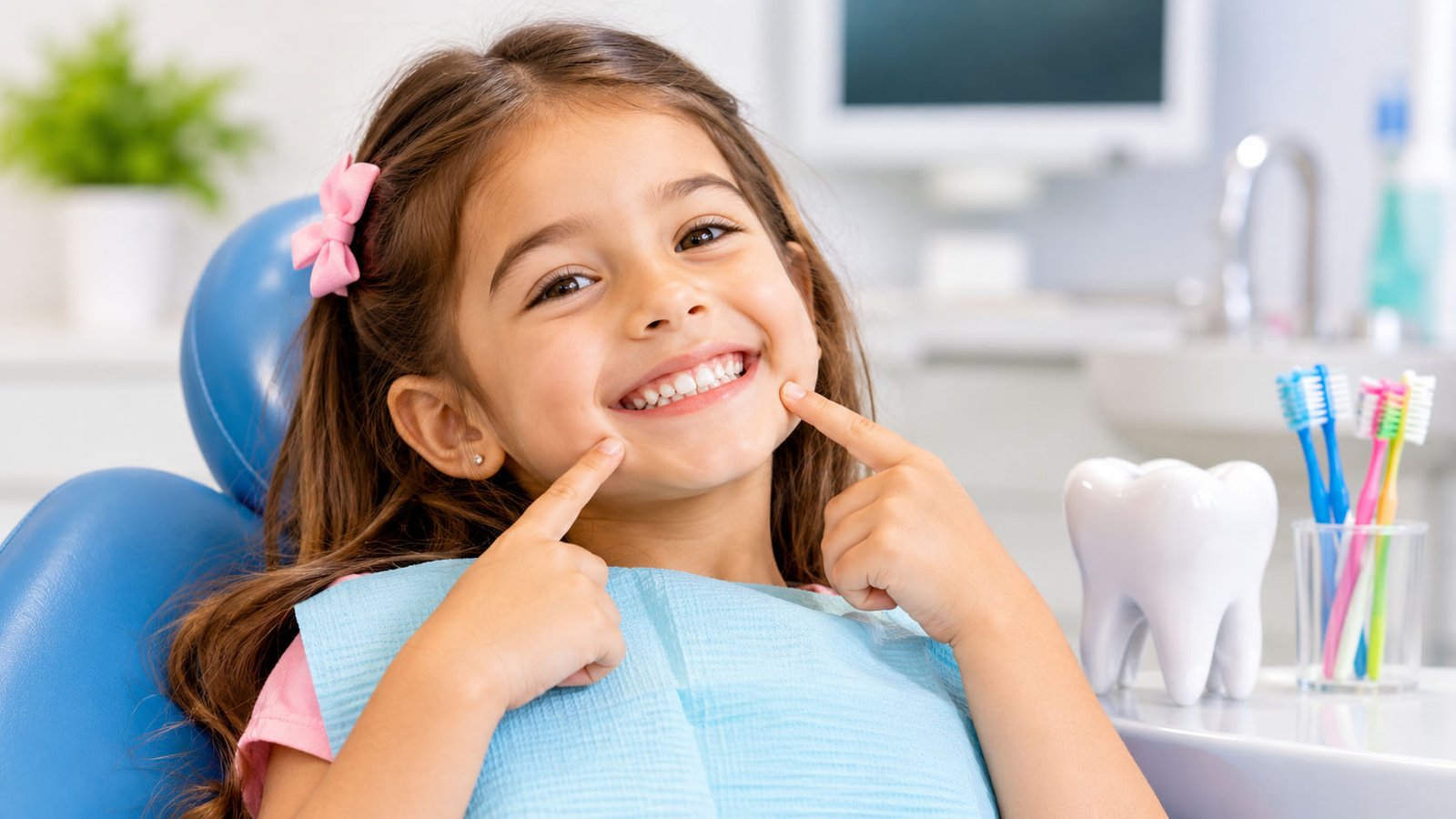
How to Prevent Cavities in Children: Healthy Habits Every Parent Should Know
Quick Answer
Preventing cavities in children starts with good oral hygiene, healthy eating habits, and regular dental checkups. A child’s first dental visit helps parents understand how to care for developing teeth and reduce the risk of early tooth decay. Brushing twice daily with fluoride toothpaste, limiting sugary snacks, drinking water, and considering professional fluoride treatments or dental sealants when recommended can help protect children’s teeth. Establishing these habits early supports healthy baby teeth and permanent teeth as children grow.
Key Points
- Brush children’s teeth twice daily using an age-appropriate amount of fluoride toothpaste.
- Limit sugary snacks, candies, juices, and frequent sweetened drinks.
- Encourage water between meals to help maintain a healthy mouth.
- Dental sealants can protect the chewing surfaces of back teeth from decay.
- Regular dental examinations help identify early signs of cavities.
- Parents should supervise brushing until children can clean their teeth properly.
Why Are Children More Prone to Cavities?
Children may have a higher risk of developing cavities because their oral hygiene routines are still developing. They may not brush thoroughly, consume sugary snacks frequently, or forget to clean certain areas of their mouths.
Baby teeth also have thinner enamel than permanent teeth, making them more vulnerable to tooth decay. When bacteria in the mouth break down sugars from food and drinks, they produce acids that gradually damage tooth enamel.
Common factors that increase the risk of childhood cavities include:
- Frequent consumption of candies and sugary snacks
- Drinking juice, soda, and sweetened beverages regularly
- Brushing incorrectly or skipping daily brushing
- Going to bed with a bottle containing milk or juice
- Not cleaning between teeth
- Irregular dental checkups
Understanding these factors helps parents make better decisions about their children’s daily oral health.
How Can Parents Protect Children’s Teeth at Home?
Healthy oral habits begin at home. Parents play an important role in teaching children how to clean their teeth and make better food choices.
Brush Twice Daily
Children should brush their teeth twice a day, especially before bedtime. Use a soft-bristled toothbrush and fluoride toothpaste appropriate for their age.
Parents should supervise young children and help them reach the back teeth, gumline, and other difficult areas. Brushing should last approximately two minutes.
Teach Children to Floss
When two teeth touch, brushing alone may not remove all the food particles and plaque between them. Introduce flossing with gentle guidance to clean these spaces.
Children may need assistance until they develop the coordination to floss properly.
Replace Toothbrushes Regularly
Toothbrushes with worn or damaged bristles may not clean effectively. Replace them approximately every three to four months or sooner if the bristles become frayed.
Make Brushing a Daily Routine
Children are more likely to follow healthy habits when parents make oral hygiene part of their daily schedule. Brushing together can make the activity enjoyable and encourage consistency.
How Does Diet Affect Children’s Dental Health?
Food and drink choices have a direct effect on tooth health. Frequent exposure to sugar gives harmful mouth bacteria more opportunities to produce acids that damage enamel.
Parents can support healthier teeth by:
- Offering fresh fruits and vegetables as snacks.
- Limiting sticky candies, chocolates, and sweet treats.
- Choosing water instead of soda or sugary juices.
- Including calcium-rich foods such as milk, yogurt, and cheese.
- Avoiding frequent snacking throughout the day.
- Serving balanced meals with a variety of nutritious foods.
Children do not need to avoid every sweet treat. However, limiting how frequently they consume sugary foods and drinks can help reduce their risk of cavities.
Water is particularly helpful between meals because it helps rinse away food particles and supports saliva production.
The Role of Preventive Dental Care in Children
Regular examinations and professional cleanings are important parts of preventive dental care. They help identify early signs of tooth decay, monitor developing teeth, and provide parents with guidance on maintaining good oral hygiene.
Depending on a child’s age and cavity risk, preventive services may include:
Professional Dental Cleanings
Professional cleanings remove plaque and tartar buildup that regular brushing may not eliminate completely. They also give the dental team an opportunity to check the condition of the teeth and gums.
Fluoride Treatments
Fluoride helps strengthen tooth enamel and makes it more resistant to acid attacks. A dentist may recommend professional fluoride applications depending on the child’s age and risk of developing cavities.
Dental Sealants
Sealants are thin protective coatings applied to the chewing surfaces of back teeth, particularly molars. These teeth often have small grooves where food and bacteria can collect.
Sealants help protect these areas by creating a barrier that makes it harder for bacteria and food particles to settle into the grooves.
Not every child needs the same preventive treatments. Recommendations depend on tooth development, cavity history, and individual oral health needs.
Common Dental Problems Parents Should Watch For
Children may not always recognize or communicate early signs of dental problems. Parents should pay attention to changes in their child’s teeth, gums, and eating habits.
Early Tooth Decay
White spots, brown marks, or visible holes may indicate developing cavities. Early evaluation can help determine whether treatment is necessary.
Tooth Sensitivity
Children may complain about discomfort when eating cold, hot, or sweet foods. Sensitivity can have different causes and should be checked by a dentist.
Gum Inflammation
Red, swollen, or bleeding gums may indicate irritation or plaque buildup. Proper brushing and professional evaluation can help identify the cause.
Toothache
Persistent tooth pain may be associated with cavities or infection. Do not ignore recurring complaints, even if the discomfort temporarily disappears.
Dental Injuries
Falls and sports activities can cause chipped, cracked, or displaced teeth. Seek dental attention promptly after an injury.
How Often Should Children Have Dental Checkups?
Many children benefit from dental examinations approximately every six months. However, the recommended schedule may vary depending on their oral health, cavity risk, and previous dental concerns.
Regular appointments allow the dentist to:
- Monitor the development of baby and permanent teeth.
- Check for early signs of cavities.
- Assess gum health.
- Recommend fluoride treatments or sealants when appropriate.
- Review brushing and flossing techniques.
- Identify developing bite or alignment concerns.
Consistent appointments also help children become more comfortable with dental care and develop positive attitudes toward oral health.
Building Healthy Dental Habits as Children Grow
Good oral hygiene should continue as children move from early childhood into their teenage years. Their dental needs change as permanent teeth replace baby teeth and their daily routines become more independent.
Parents should continue supervising brushing when needed and remind children to clean between their teeth daily.
For active children, wearing a properly fitted mouthguard during contact sports can help protect their teeth from injuries.
Encouraging healthy food choices, limiting sugary beverages, and maintaining regular appointments are also important. These habits help children understand that taking care of their teeth is a lifelong responsibility.
Frequently Asked Questions
1. At what age should children start brushing their teeth?
Parents should begin cleaning their child’s mouth when the first tooth appears. Use a soft toothbrush and a small amount of fluoride toothpaste appropriate for the child’s age.
2. Can baby teeth develop cavities?
Yes. Baby teeth can develop cavities just like permanent teeth. Untreated decay may cause pain, infection, and problems with eating or maintaining space for permanent teeth.
3. Are dental sealants safe for children?
Dental sealants are commonly used to protect children’s permanent molars from decay. A dentist can determine whether they are appropriate based on the child’s dental development and cavity risk.
4. How can I reduce my child’s sugar intake?
Limit frequent sweets, sugary beverages, and packaged snacks. Offer water, fruits, vegetables, and balanced meals instead.
5. How do I know if my child has a cavity?
Possible signs include white or brown spots, visible holes, tooth sensitivity, and pain while eating. Some cavities do not cause symptoms initially, making regular examinations important.
6. Is fluoride toothpaste necessary for children?
Fluoride toothpaste helps strengthen enamel and protect against cavities. Use an age-appropriate amount and supervise brushing to prevent children from swallowing toothpaste.
Protecting children’s teeth requires consistent care, healthy eating habits, and regular professional attention. From proper brushing techniques to preventive treatments, small steps can make a meaningful difference in maintaining healthy smiles as children grow. If you are looking for dental care for kids, Burleson Family Dental & Orthodontics offers family and pediatric dental services to help support your child’s oral health at different stages of development.
If you are searching for a pediatric dentist in Burleson, TX, schedule a consultation to discuss your child’s dental needs and learn about suitable preventive care options.