info@burlesonfamilydental.com
 (817) 547 0597
How Preventive Dentistry Helps Maintain Healthy Teeth and Gums
Quick Answer
Preventive dentistry focuses on maintaining healthy teeth and gums through regular dental examinations, professional cleanings, and daily oral hygiene. It helps detect cavities, gum disease, and other dental concerns early, reducing the need for complex treatments. With consistent dental visits and proper home care, patients can protect their smiles, maintain comfortable chewing, and support long-term oral health.
Maintaining a healthy smile involves more than brushing your teeth every morning and night. Preventive dental care helps address small oral health concerns before they become more complicated or uncomfortable. Plaque buildup, early tooth decay, and gum inflammation may develop without noticeable symptoms, making regular dental visits an important part of your overall health routine. For families in Burleson, taking a preventive approach can help protect children’s developing teeth while supporting adults and seniors in maintaining their natural smiles.
Understanding the importance of prevention makes it easier to build healthy habits and recognise when professional dental attention is needed.
Understanding What Preventive Dentistry Includes
Preventive dentistry involves a combination of professional dental services and everyday oral hygiene practices. These measures work together to reduce the risk of common dental problems and maintain the condition of your teeth and gums.
Preventive treatments may include:
- Routine dental examinations to evaluate teeth, gums, and oral tissues.
- Professional cleanings to remove plaque and hardened tartar.
- Dental X-rays when necessary to identify concerns beneath the visible tooth surface.
- Fluoride treatments to strengthen tooth enamel.
- Dental sealants to protect the chewing surfaces of children’s molars.
- Personalised brushing, flossing, and dietary recommendations.
Each treatment serves a different purpose. Your dentist may recommend specific preventive measures depending on your age, dental history, cavity risk, and current oral health.
Why Regular Dental Visits Matter
Dental problems do not always cause pain during their early stages. A small cavity may develop without noticeable discomfort, while gum inflammation can progress before patients realise something is wrong. Regular dental visits allow your dentist to identify these changes and recommend appropriate care.
A routine oral health checkup gives your dental team an opportunity to assess your overall oral condition. During the appointment, your dentist may examine your teeth for decay, check your gums for inflammation, evaluate existing restorations, and screen for abnormalities in the mouth.
Regular examinations can help identify:
- Early signs of tooth decay.
- Gum disease and persistent inflammation.
- Cracked, worn, or damaged teeth.
- Changes in bite alignment.
- Concerns involving existing fillings or crowns.
- Unusual oral tissue changes that require further evaluation.
The recommended frequency of dental visits depends on individual needs. Many patients benefit from examinations every six months, while those with a higher risk of dental disease may need more frequent appointments.
The Role of Daily Oral Hygiene
Professional dental care works best when supported by consistent habits at home. Plaque forms continuously on tooth surfaces, and if it is not removed regularly, it can contribute to tooth decay and gum disease.
A simple daily routine can make a meaningful difference in maintaining oral health.
Essential Oral Hygiene Habits
- Brush twice daily: Use a soft-bristled toothbrush and fluoride toothpaste. Brush gently for approximately two minutes, covering the front, back, and chewing surfaces of your teeth.
- Floss every day: Cleaning between teeth helps remove plaque and food particles that a toothbrush cannot reach effectively.
- Limit sugary foods and drinks: Frequent sugar consumption increases the risk of cavities. Choose water more often and reduce repeated snacking on sugary foods.
- Clean your tongue: Gently cleaning your tongue helps remove bacteria and may improve breath freshness.
- Replace your toothbrush regularly: Change your toothbrush approximately every three to four months, or sooner if the bristles become worn.
- Children may require assistance with brushing and flossing until they develop the coordination needed to clean their teeth properly.
How Professional Dental Cleanings Protect Your Smile
Even with careful brushing and flossing, some plaque can remain in difficult-to-reach areas. Over time, this plaque may harden into tartar, which cannot be removed effectively with a regular toothbrush.
A professional teeth cleaning helps remove plaque and tartar buildup from tooth surfaces and along the gumline. The dental hygienist may also polish the teeth to remove surface stains and provide guidance on areas that need additional attention during home care.
The cleaning process generally includes:
- Examination of the teeth and gums.
- Removal of plaque and tartar using appropriate dental instruments.
- Polishing to remove certain surface stains.
- Flossing between teeth to clear remaining debris.
- Personalised recommendations for maintaining oral hygiene.
Patients with gum disease may require a different type of cleaning, such as scaling and root planing. This treatment addresses buildup beneath the gumline and is recommended when clinically necessary.
Preventive Dentistry for Children and Adults
Preventive dental needs change throughout life. Children require support as their primary and permanent teeth develop, while adults need to protect their natural teeth and maintain healthy gums.
| Age Group | Preventive Dental Focus |
| Young Children | First dental visits, brushing guidance, fluoride, and cavity prevention |
| School-Age Children | Sealants, cavity monitoring, and healthy dietary habits |
| Teenagers | Gum health, orthodontic monitoring, and consistent oral hygiene |
| Adults | Regular examinations, cleanings, and gum disease prevention |
| Seniors | Monitoring gum health, dry mouth, tooth wear, and existing restorations |
For children, early dental visits can help establish a positive relationship with dental care. Parents can also receive guidance on brushing techniques, fluoride use, and habits that may affect developing teeth.
Adults should continue regular dental visits even when their teeth appear healthy. Preventive care remains important for detecting changes in gum health, tooth structure, and existing dental work.
Signs You Should Schedule a Dental Appointment
Routine dental visits are important, but certain symptoms may require an appointment sooner than your next scheduled checkup.
Watch for the following warning signs:
- Bleeding or swollen gums during brushing.
- Persistent bad breath.
- Tooth sensitivity to hot, cold, or sweet foods.
- Pain while chewing.
- Loose teeth or changes in your bite.
- A chipped or cracked tooth.
- Persistent sores or unusual changes inside your mouth.
These symptoms do not always indicate a serious condition, but they should not be ignored. A dental examination can help determine the cause and identify the appropriate next steps.
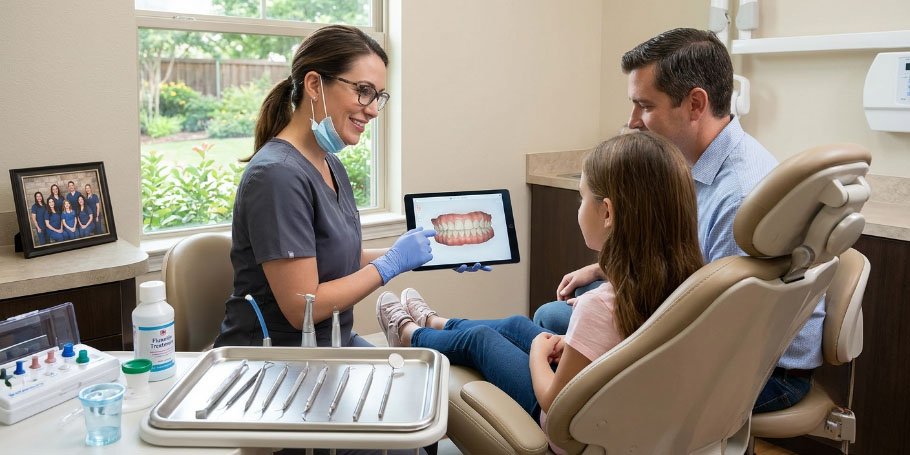
What Happens During a Preventive Dental Appointment?
Understanding the appointment process can help patients feel more comfortable, especially those who have not visited a dentist in a while.
A typical preventive visit may include the following stages:
Step 1: Review your dental history
Your dentist asks about current concerns, medications, previous treatments, and changes in your general health.
Step 2: Examine your teeth and gums
The dentist checks for decay, gum inflammation, tooth damage, and other oral health concerns. X-rays may be recommended when needed.
Step 3: Complete the cleaning
The dental hygienist removes plaque and tartar buildup and polishes your teeth as appropriate.
Step 4: Discuss your oral health
Your dentist explains the findings, answers questions, and recommends any additional treatment if necessary.
Step 5: Plan your next visit
Your dental team helps determine an appropriate schedule for future examinations and cleanings based on your oral health needs.
Building a Long-Term Preventive Dental Routine
Maintaining oral health requires consistency rather than occasional intensive care. Patients who follow a regular dental routine can reduce their risk of many common oral health problems.
A practical preventive routine includes:
- Brushing twice daily with fluoride toothpaste.
- Flossing once a day.
- Drinking water regularly.
- Limiting sugary snacks and beverages.
- Attending scheduled dental examinations.
- Following recommendations for fluoride or sealant treatments.
- Seeking dental advice when symptoms develop.
Preventive care is not limited to patients with healthy teeth. Those who have fillings, crowns, gum disease, or a history of cavities can also benefit from regular monitoring and personalised dental care.
Frequently Asked Questions
1. How often should I visit the dentist for preventive care?
Many patients benefit from dental examinations and cleanings every six months. However, your dentist may recommend more frequent visits depending on your gum health, cavity risk, and medical history.
2. Can preventive dentistry help avoid cavities?
Preventive dentistry can significantly reduce the risk of cavities through regular examinations, fluoride treatments, professional cleanings, and proper oral hygiene. However, it cannot guarantee that cavities will never develop.
3. Are professional dental cleanings painful?
Most routine cleanings are comfortable. Some patients may experience mild sensitivity, particularly when tartar buildup or gum inflammation is present. Inform your dental team if you experience discomfort.
4. Is preventive dental care necessary if my teeth do not hurt?
Yes. Many dental problems develop without noticeable pain during their early stages. Regular examinations help identify potential concerns before symptoms become more pronounced.
5. Are dental sealants suitable for children?
Dental sealants are commonly recommended for children whose permanent molars have erupted. They help protect the chewing surfaces from food particles and bacteria that can contribute to cavities.
6. Does preventive dentistry include gum disease screening?
Yes. Dental examinations generally include an assessment of gum health. Your dentist may check for inflammation, bleeding, gum recession, and other signs of periodontal disease.
A healthy smile begins with consistent care and timely attention to potential dental concerns. Regular examinations, professional cleanings, and effective home hygiene habits can help protect your teeth and gums while reducing the likelihood of more extensive treatment.
Families seeking preventive dental care in Burleson, TX can turn to Burleson Family Dental and Orthodontics for comprehensive family dentistry in a welcoming environment. The practice provides preventive and restorative dental care for patients of different ages, with an emphasis on personalised treatment and patient comfort. Whether you need a routine examination, a dental cleaning, or guidance on maintaining your family’s oral health, scheduling a dental visit is a positive step towards a healthier smile.